

Atezolizumab is the first and only approved anti-PDL1 cancer immunotherapy.
Atezolizumab is the first and only approved anti-PDL1 cancer immunotherapy.
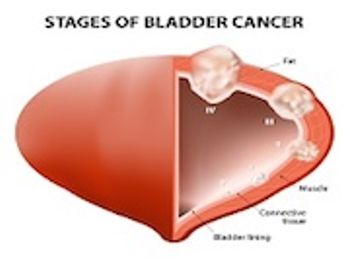
Accelerated approval granted to atezolizumab (Tecentriq) for locally advanced or metastatic urothelial carcinoma in patients who are ineligible for cisplatin.

Immune cells are seized to help cancer cells spread and grow.

Liposomes containing a prodrug effectively exploited hypoxic areas of lung cancer tumors.

Polymer capsules that could play a key role in delivering targeted cancer therapies.

A novel polymer capsule may be able to deliver cancer drugs to a tumor site.

New technique determines whether cells have been exposed to a cancer-causing toxin.

Employing proteogenomics helps identifies therapeutic targets in breast cancer.

Women given vitamin D3 and calcium supplements had a 30% lower risk of cancer.

Selective androgen receptor degraders show promise as treatment for castration-resistant prostate cancer.

Top news of the day from across the health care landscape.

Findings may explain why some patients with cancer respond to immunotherapy while others do not.

An artificial intelligence platform detected 92.4% of breast cancer tumors.

Second phase 3 study meets primary endpoint in improving lung cancer survival.

Alecensa shows promise treating anaplastic lymphoma kinase (ALK)-positive advanced non-small cell lung cancer.

Top news of the week in oncology and cancer drug development.

Small molecule inhibition of PRMT1 may be an effective therapeutic strategy in pancreatic cancer.

Amgen’s 2017 Trends in Biosimilars report examines commercialization and distribution issues in the biosimilar space.

Legal challenges, drug shortages, and regulatory issues create hurdles for biosimilars in the US market.

Use of either surgery resulted in equivalent disease-free survival and no difference in overall survival.

Exposure to BPA observed to increase signaling that caused cancer growth.

Top news of the day from across the health care landscape.

Biovica’s DiviTum assay offers noninvasive tool to monitor efficacy of CDK4/6 inhibitors.

German shepherds undergo training to detect breast cancer through smell.
Combination treatment produces a complete response in mice with epithelial cancer.

Combination therapy targets tumors in epithelial cancer.

Toxin produced by cigarette smoke accelerates the growth of tumors.

Osimertinib (Tagrisso) approved for metastatic epidermal growth factor receptor (EGFR) T790M mutation-positive non-small cell lung cancer.

Tyrosine kinase inhibitor improves survival in patients with rare lung cancer.
Ambitious project marks new era for pancreatic cancer patients, investigators say.