
The review comes after phase 3 trial results that indicate an improvement in overall survival and progression-free survival, reducing the risk of disease progression and death.

Gillian McGovern is an editor at Pharmacy Times®. She graduated from Rowan University in 2023 with a BA in Writing Arts and concentrations in Publishing & Writing for the Public, Technical & Professional Writing, and Creative Writing.
The review comes after phase 3 trial results that indicate an improvement in overall survival and progression-free survival, reducing the risk of disease progression and death.
The study authors suggest that future research should instead emphasize event rates and patient-reported outcomes to better evaluate the tolerability and frequency of AEs.

Despite patients and clinicians preferring in-person consultations, most patients reported that clinicians answered all questions and effectively resolved issues during remote consultations.

Study investigators found that health care professionals who were assigned male at birth and practiced in the Western region of the United States were more likely to prescribe PrEP to this high-risk population.
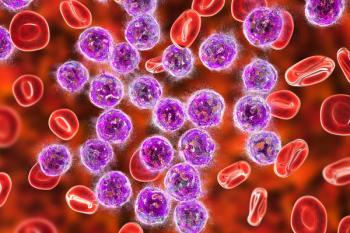
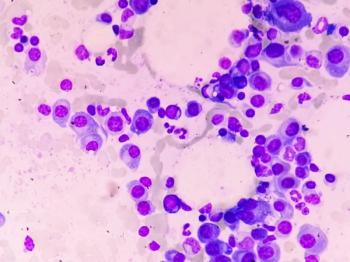
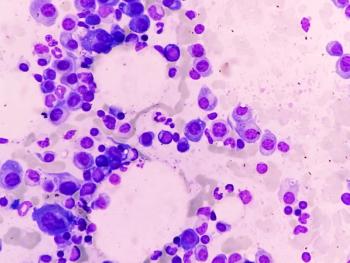
The acceptance comes after results from TRANSCEND CLL 004, which is the first trial to demonstrate clinical benefit with a CAR T cell therapy in patients who were previously treated for CLL or SLL.

Not only is the test significant for identifying HIV and TB, but it can be safer for patients living with HIV due to their suppressed immune systems.

In addition to language barriers, pharmacy translation software errors may cause further complications when filling patient prescriptions.

The study also found that 82% of the surveyed physicians reported not getting labs to help determine treatment options for their patients.

A single infusion of VERVE-101, a gene editing tool, improved both blood PCSK9 protein levels and blood LDL-C levels in 10 individuals with high-risk HeFH.

Session speaker Powell-Wiley explains how screening for SDOH in patients as cardiovascular-kidney-metabolic syndrome stages progress can help better understand their individual social needs.

According to the authors, these results contribute to developing information that associate lymphedema with localized changes in immunity and a susceptibility for cancer.

Compared to the standard prenatal vitamin alone, vitamin D supplementation with the prenatal vitamin reduced the risk of asthma and wheezing in children by approximately 50%.

Ince describes why patients who are considered fragile are often underdiagnosed and undertreated, and that the VOYAGER PAD analyses can encourage the treatment of the fragile population.

Bonaca also notes that pharmacists can play a key role in educating patients and clinicians about the appropriate use and dosing of antithrombotic drugs for vascular protection.

Harrington discusses how the performance of milvexian in prior phase 2 trials focused on different patient populations creates the foundation for future research.

Sehnert emphasizes that mavacamten treatment benefits were present in both patients with sarcomere mutation positive HCM and sarcomere mutation negative HCM.

The study findings provide the first in-depth look at the relationship between chromosomal changes in tumor cells and immune components of the tumor microenvironment.

Researchers determined that simultaneously targeting the BRD4 and LOXL2 proteins disrupts their interaction and inhibits the growth of triple-negative breast cancer cells.

With this approval, fruquintinib is the first and only selective inhibitor of all 3 VEGR receptor kinases to be approved in the United States for previously treated mCRC, regardless of biomarker status.

Data show patients are willing to accept associated risks for a chance at a cure.

CD4+ tissue-resident memory T cells may trigger severe, and potentially fatal, asthma attacks in men aged 40 years and older.

Although SGLT2 inhibitors are not a cure of diabetic kidney disease, this treatment can help reduce the risk and manage the disease either alone or with complementary therapies.

Other than dialysis, Shah notes that patients with kidney disease who are pregnant can receive either nifedipine or labetalol to control blood pressure.

Nickolas also describes how the use of novel imaging technologies, microRNA, and transcriptomics help experts better understand underlying pathogenesis of ROD.

Awdishu describes the implementation of new equations to accurately drug dose in patients as well as provide updated guidance on the dosing of older medications.

Leung discusses that various cancer types and drugs can cause thrombotic microangiopathy and impact kidney health and the renal complications connected to hematologic malignancies.

Coca notes the importance of precision medicine in CKD risk assessment and describes the potential impact multiple therapies can have on future CKD prediction and treatment in the future.

The principal investigator of the Centre for Cardiovascular Science at the University of Edinburgh notes that enhancing endogenous repair can lead to a breakthrough in AKI treatment.

Outside of dialysis and transplantations, implantable artificial kidneys present an additional option for treating kidney disease, according to an expert.

Although the initiation was high, only 33% of adolescent girls and young women continued PrEP use through the 6-month follow-up.