Articles by Amir Ali, PharmD, BCOP

Treatment Regimen Considerations
ByZahra Mahmoudjafari, PharmD, MBA, BCOP, FHOPA,Amir Ali, PharmD, BCOP,C. Brooke Adams, PharmD, BCOP Panelists discuss how various patient characteristics, including age, fitness level, cytogenetic risk, and comorbidities, influence their decision to use more intensive quadruplet regimens like D-VRd (daratumumab plus bortezomib, lenalidomide, and dexamethasone) vs standard triplet regimens, such as VRd or KRd (carfilzomib, lenalidomide, and dexamethasone) in transplant-eligible multiple myeloma patients, while also considering administration logistics and supportive care requirements
Impact of Transplant Eligibility on Treatment Selection
ByZahra Mahmoudjafari, PharmD, MBA, BCOP, FHOPA,Amir Ali, PharmD, BCOP,C. Brooke Adams, PharmD, BCOP Panelists discuss how transplant eligibility significantly influences first-line treatment goals and initial therapy selection in multiple myeloma, often leading to more intensive induction regimens aimed at achieving deep remissions.
Frontline Treatment and Sequencing Therapy
ByZahra Mahmoudjafari, PharmD, MBA, BCOP, FHOPA,Amir Ali, PharmD, BCOP,C. Brooke Adams, PharmD, BCOP Panelists discuss how their institutions approach frontline treatment for transplant-eligible multiple myeloma patients, typically using a combination of novel agents like proteasome inhibitors and immunomodulatory drugs, followed by autologous stem cell transplantation and maintenance therapy, while considering factors such as patient characteristics and treatment response to guide therapy sequencing.
Treatment Landscape for Transplant-Eligible Patients with NDMM
ByZahra Mahmoudjafari, PharmD, MBA, BCOP, FHOPA,Amir Ali, PharmD, BCOP,C. Brooke Adams, PharmD, BCOP Panelists discuss how the current first-line treatment options for transplant-eligible patients with newly diagnosed multiple myeloma (NDMM) typically involve combination therapies including proteasome inhibitors, immunomodulatory drugs, and steroids.
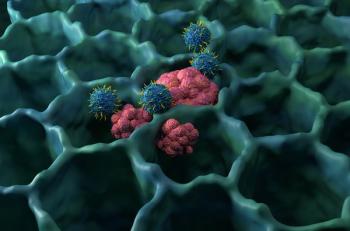
Impact of PD-1 and PD-L1 Expression on Overall Survival in Patients With NSCLC and Melanoma
ByAmin Zakkour Khudari, PharmD Candidate,Tammy Harutunyan, PharmD Candidate,Mohamad Zakour Khadari, MPharm,Rami Madani, MD Candidate,David S. Bateshansky, PharmD, BCOP,Amir Ali, PharmD, BCOP Pharmacists play a vital role in therapy selection.

The Fludarabine Shortage and Its Ripple Effects: Navigating the Crisis
ByJose Tinajero, PharmD, BCOP,Amir Ali, PharmD, BCOP,Tammy Harutunyan, PharmD Candidate,Teny Khachadourian, PharmD Candidate,Michaela Maher, PharmD Candidate The significant surge in oncology drug shortages in 2023 particularly affected essential chemotherapeutic drugs.
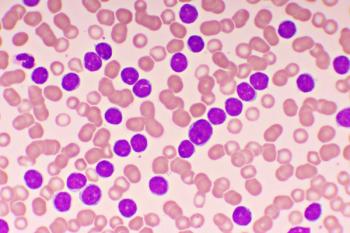
Treatment options are distinct in their mechanisms, safety profiles, and implications for patients’ quality of life.
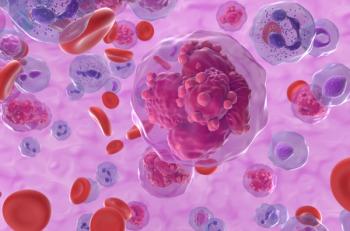
Ph-like ALL may be predominantly prevalent in Hispanic and Latino populations.
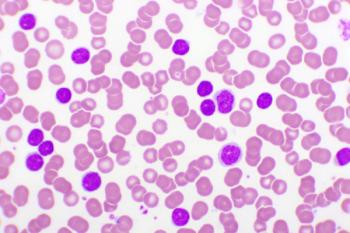
In crafting a patient-centered regimen, the convergence of expertise from physicians and pharmacists, paired with the values and preferences of patients, becomes paramount.

A single-center experience at a tertiary medical center precision medicine clinic provides insight.
USC ALL Induction Regimen Combined With Newer TKIs Is Safe, Effective for Patients With Ph+ Disease
ByAmir Ali, PharmD, BCOP,Amin Khudari, PharmD Candidate,Vincent Mendiola, MD,George Yaghmour, MD,Samantha Shi, PharmD, BCOP,Hien Tang, PharmD, BCOP,Harry Shamamian, PharmD, MBA, FACHE Achieving MRD flow cytometry negativity is crucial in monitoring and predicting survival outcomes.
Substantial strides have been made in the management of Ph+ ALL.
Real-World Efficacy, Safety of Tixagevimab/Cilgavimab in Patients With Cancer After EUA Revision
ByAnn Tong, PharmD,Yijun Cai, PharmD Candidate,Samantha Shi, PharmD, BCOP,Hien Tang, PharmD, BCOP,Harry Shamamian, PharmD, MBA, FACHE,Amir Ali, PharmD, BCOP The role of monoclonal antibodies in minimizing COVID-19–related complications remains important to assess.
A retrospective analysis presents unique results for AML treatment.
