Tor Härnqvist, MD, discusses immune testing after invasive pneumococcal disease, serotype-informed vaccine selection, and pharmacists' role in supporting patients on immunoglobulin therapy.
The blood test offers a promising new approach to identify patients who are at high risk for recurrence and guide precision treatment strategies.
A highly sensitive circulating tumor DNA (ctDNA) blood test may improve the ability to identify patients with localized pancreatic ductal adenocarcinoma (PDAC) who are at high risk for recurrence, according to new research from Northwestern Medicine. The study demonstrated that the KRAS-targeted assay detected residual disease missed by conventional testing and imaging, potentially providing clinicians with an earlier indication of treatment response and relapse risk.1
PDAC remains one of the deadliest malignancies, with an estimated 5-year survival rate of approximately 13% in the United States. Most patients experience disease recurrence even after receiving curative-intent surgery and perioperative chemotherapy, underscoring the need for more sensitive methods to monitor residual disease.2
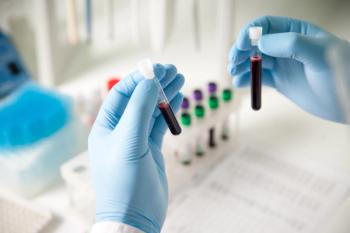
The Northwestern investigators evaluated serial blood samples collected from patients with localized PDAC throughout treatment, including before chemotherapy, after chemotherapy, and following surgical resection. The investigational assay specifically detects KRAS mutations, which are present in more than 90% of pancreatic cancers and increasingly represent an important therapeutic target.1
At diagnosis, the highly sensitive test identified ctDNA in approximately 65% of patients compared with just 17% using standard commercially available assays. Following chemotherapy and surgery, the assay continued detecting residual disease in many patients whose imaging studies showed no evidence of remaining cancer, suggesting that conventional surveillance may underestimate persistent disease burden.1
"Physicians may currently be missing residual disease in most patients," senior study author Akhil Chawla, MD, clinical associate professor of surgery at Northwestern University Feinberg School of Medicine and complex surgical oncologist at Northwestern Medicine, said in the news release.1
The findings arrive as therapies targeting KRAS mutations continue to reshape pancreatic cancer treatment. Investigational agents directed against KRAS have demonstrated encouraging survival benefits in advanced pancreatic cancer and may soon become available for broader clinical use.1,3
"As we enter the era of KRAS-targeted therapies, having a screening tool that tracks the same mutation becomes increasingly important," Chawla said.1
Because the assay detects the same oncogenic mutation targeted by emerging therapies, investigators believe it could eventually help identify patients who would most likely benefit from treatment intensification or enrollment in clinical trials following surgery. Detecting molecular residual disease before radiographic recurrence may also provide an opportunity to intervene earlier, when disease burden remains low.1
The Northwestern findings build upon a growing body of research evaluating blood-based biomarkers for pancreatic cancer detection and monitoring. Earlier NIH-supported investigators developed a four-marker blood panel combining carbohydrate antigen 19-9 (CA19-9), thrombospondin-2, aminopeptidase N, and polymeric immunoglobulin receptor, achieving high accuracy for distinguishing pancreatic cancer from healthy individuals and benign pancreatic conditions.4
Unlike CA19-9 alone, which has well-recognized limitations because it may be elevated in benign diseases or absent in some patients due to genetic factors, multimarker and ctDNA-based approaches may provide greater sensitivity and specificity across different stages of disease.4
Although additional prospective validation is needed before widespread clinical implementation, the Northwestern investigators suggest their assay could complement existing imaging and laboratory monitoring by identifying patients who are at the highest risk for recurrence and may otherwise appear disease-free using current surveillance methods.1
As precision oncology continues expanding into gastrointestinal malignancies, oncology pharmacists will play an increasingly important role in interpreting biomarker results, educating patients about molecular testing, and supporting treatment decisions involving KRAS-targeted therapies. More sensitive ctDNA assays could eventually influence discussions regarding adjuvant treatment, clinical trial eligibility, and surveillance following treatment, making pharmacists key members of multidisciplinary care teams as molecular monitoring becomes integrated into routine pancreatic cancer management.