A pharmacist-led collaborative drug therapy management program at NYC Health + Hospitals/Bellevue reported high patient satisfaction, and every surveyed patient said they felt respected and supported by their pharmacist.
Scott Soefje, PharmD, MBA, BCOP, FCCP, FHOPA, discusses how Inlexzo and increasingly complex urologic cancer therapies are driving closer coordination between urology and oncology pharmacy.
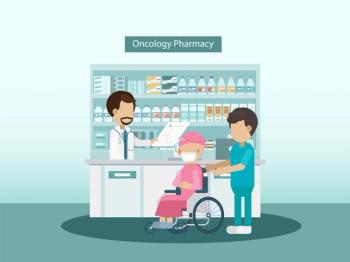
Scott Soefje, PharmD, MBA, BCOP, FCCP, FHOPA, director of pharmacy cancer care and an associate professor of pharmacy at Mayo Clinic College of Medicine and Science in Rochester, Minnesota, discusses the growing need for coordination between urology and oncology pharmacy departments as treatments for bladder cancer become increasingly complex.
At Mayo Clinic, communication surrounding treatments such as Inlexzo frequently occurs through electronic treatment plans rather than direct phone calls. Once a nurse releases the treatment plan, the medication enters the pharmacy preparation queue. Pharmacy teams may also communicate with the urology department in advance to determine whether a patient is likely to receive treatment as scheduled, particularly when preparing costly therapies in advance could create a risk of drug waste if treatment is delayed or canceled.
Soefje explains that detailed treatment plans and cycle comments are particularly important for communicating treatment holds, delays, laboratory requirements, and other changes that pharmacists need to know about. Although an integrated electronic health record can facilitate this communication, gaps may still occur when orders are not released properly, treatment plans change after a drug has already been prepared, or urology encounters delays due to high patient volume in oncology infusion services.
The degree of integration between urology and oncology pharmacy can vary substantially by institution, according to Soefje. At Mayo Clinic, urology continues to administer many bladder instillations because it has dedicated procedure space and established experience with these treatments. However, other organizations may route similar therapies through medical oncology.
As oncology-type medications increasingly move into urology and other specialties, Soefje anticipates that pharmacists will need to work across a wider range of clinical settings. He also identifies urologic oncology as a potential training blind spot for some PGY-2 oncology residents and suggests that growing specialization in cancer care may ultimately require new approaches to pharmacy residency training.