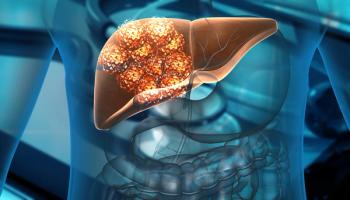
An investigational glypican-3–directed CAR T-cell therapy engineered to express IL-15 and IL-21 produced a complete response lasting at least 1 year in a child with chemotherapy-resistant metastatic hepatoblastoma.
The investigational once-weekly dual GLP-1/GIP receptor agonist, engineered with signaling bias at both receptors, met both primary end points at 48 weeks.
Enicepatide (CT-388; Roche, Genentech), a once-weekly dual glucagon-like peptide-1 (GLP-1)/glucose-dependent insulinotropic polypeptide (GIP) receptor agonist, met both primary end points in the phase 2 CT-388-104 clinical trial (NCT06628362), according to a news release from Roche. The trial, which enrolled adult patients with type 2 diabetes (T2D) and overweight or obesity, demonstrated that the investigational agent produced dose-dependent reductions in blood glucose and body weight at 48 weeks.1,2
CT-388-104 is a randomized, double-blind, placebo-controlled, parallel-group, multicenter trial that evaluated once-weekly subcutaneous enicepatide for 48 weeks in 447 adults with T2D and overweight or obesity, with dual primary end points of change from baseline in hemoglobin A1C (HbA1C) and body weight at week 48. The dose-finding study includes a placebo arm and 4 enicepatide dose levels. Eligible participants were aged 18 to 75 years with a BMI of 25.0 kg/m2 or greater.1,2
Patients receiving the highest titrated dose (24 mg) achieved an HbA1C reduction of approximately 2.65% from a baseline of 8.1%. In that cohort, 90% of patients reached an HbA1C of 6.5% or lower, and 62% achieved normoglycemia (HbA1C < 5.7%). Among patients with poor baseline glycemic control (HbA1C > 8.5%), enicepatide 24 mg lowered HbA1C by 4.13%.1
Mean weight loss in the 24-mg arm was approximately 15.5% at 48 weeks, with no demonstrable plateau. The announcement did not report placebo-adjusted results or outcomes for the lower-dose arms.1
The safety profile was consistent with established incretin-based therapies. The most common adverse events (AEs) were predominantly mild-to-moderate gastrointestinal effects. Discontinuation due to AEs occurred in only 2.0% of patients across the enicepatide arms compared with 0.0% in the placebo arm. There were no new safety signals identified.1
Enicepatide belongs to the incretin-based therapy class, which mimics hormones released by the gut after eating. It is a synthetic, single-molecule peptide that activates both the GLP-1 and GIP receptors while favoring cyclic adenosine monophosphate (cAMP) signaling over β-arrestin recruitment at each. Preclinical studies suggest that cAMP-biased signaling reduces GLP-1 receptor internalization and prolongs drug effects, which may improve efficacy over unbiased agents. In cell-based assays, enicepatide did not recruit β-arrestin-2 to the human GLP-1 receptor and caused substantially less receptor internalization than native GLP-1.3
Phase 1 trial (NCT04838405) data published in Molecular Metabolism show that enicepatide's mean half-life ranged from roughly 123 to 151 hours, supporting once-weekly dosing. Participants with overweight or obesity without diabetes lost approximately 4.7% to 8.0% of body weight after 4 weeks, compared with 0.5% with placebo.4
Diabetes affects nearly 600 million adults worldwide, with T2D accounting for approximately 90% of cases. People with obesity are 7 times more likely to develop T2D than those with a normal body mass index, and people with diabetes face a 2- to 4-fold higher risk of hypertension, heart failure, stroke, and coronary artery disease.1
Currently, Roche has 2 ongoing phase 3 trials in chronic weight management, ENITH-1 (NCT07351045) and ENITH-2 (NCT07351058), and plans to initiate a phase 3 glycemic control program and cardiovascular outcomes trials in the first half of 2027. Enicepatide is not yet approved by the FDA for any indication.1
“We are highly encouraged by the efficacy demonstrated by enicepatide in this phase 2 study, including the meaningful proportion of patients reaching normalized glucose levels within less than a year of treatment,” Levi Garraway, MD, PhD, Roche’s chief medical officer and head of global product development. “Combined with sustained weight loss, enicepatide offers a potential best-in-disease profile capable of reducing and preventing complications as well as enhancing metabolic health for people living with T2D.”1