

|Videos|July 28, 2016
CINV: Understanding the Guidelines for Recommendations
Advertisement
Episodes in this series







James Natale, PharmD, BCOP, outlines the guidelines for acute and delayed emesis in patients receiving highly emetic chemotherapy versus moderately emetic chemotherapy.
Advertisement
Related to this article

The FDA has approved rebisufligene etisparvovec-hopf (Fayuvi), the first treatment designed to alter the course of mucopolysaccharidosis type IIIA.

This update came with no changes to the safety sections of labeling, with no new signals identified with longer follow-up.

Professional membership and experienced mentor leadership offer new pharmacy technicians a dual advantage, serving as a comprehensive training accelerator.

A biologic stewardship framework can enhance consistency, safety, and sustainability of biologic use in health systems.
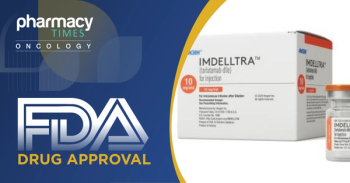
The update shortens required observation to 6 to 8 hours from 22 to 24, easing tarlatamab administration in community settings for ES-SCLC.

Thomas Hope, MD, explains why radioligand therapies should be evaluated according to whether their clinical benefits outweigh their risks within the context of patients’ available cancer treatment options.

The approval is supported by data from the phase 3 FINE-ONE clinical trial.

The randomized ALLIANCE A051701 trial closed early when treatment-related toxicity and mortality were increased without improving PFS in patients with newly diagnosed double-hit lymphoma.
Advertisement
Advertisement
Trending on Pharmacy Times
1
Adult Pneumococcal Immunizations: A Practical Guide for Pharmacists
2
How Pharmacists Overcome PCSK9 Inhibitor Access Barriers
3
From Reactive to Proactive: AI's Role in Modern Pharmacy Safety
4
FDA Approves Rebisufligene Etisparvovec as First Gene Therapy for Children With Sanfilippo Syndrome Type A
5