

Lifileucel treats advanced melanoma by harvesting, expanding, and reinfusing a patient's own tumor-infiltrating immune cells.
Lifileucel treats advanced melanoma by harvesting, expanding, and reinfusing a patient's own tumor-infiltrating immune cells.

Tracking PDUFA decisions and early planning can lead to safe, rapid access to new medications for patients.

Pharmacists play a crucial role in evaluating 505(b)(2) drugs—from ensuring oncology therapeutic equivalence to improving access and outcomes.

Oncology teams can address AI-driven cancer cures with empathy, evidence, and safer next steps to protect patients and trust.
There is an increasing interest in de-escalation strategies for HER2-positive breast cancer aimed at decreasing toxicity exposure while maintaining efficacy.

EPCORE trial data show epcoritamab plus lenalidomide and rituximab delivers responses in relapsed/refractory follicular lymphoma with outpatient dosing.

Cone Health Cancer Center pharmacists lead bispecific T-cell engager rollout, boosting local access to care.

Emerging therapeutic options represent a new age for treatment of high-risk non–muscle invasive bladder cancer.

TIL therapy offers a new metastatic melanoma option while FDA PDUFA dates reshape oncology approvals and planning.
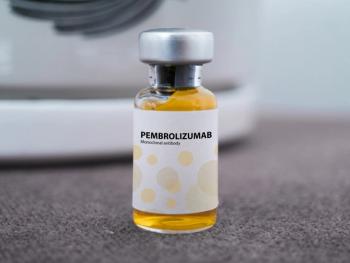
Keytruda Qlex is a subcutaneous formulation of pembrolizumab that offers a faster, more convenient alternative to IV administration with comparable efficacy.


Emerging targets are reshaping how mCRPC is treated, as showcased at the 2026 American Society of Clinical Oncology Genitourinary Cancers Symposium.