
Remote therapeutic monitoring (RTM) improves patient outcomes, reduces hospitalizations, and supports sustainable oncology care delivery.
Remote therapeutic monitoring (RTM) improves patient outcomes, reduces hospitalizations, and supports sustainable oncology care delivery.

Data from COA highlight operationalizing novel therapies in community cancer care.
Pharmacists help prevent communication breakdowns and improve coordination across oncology care teams.
The need for data-driven, multidisciplinary care and the critical role of pharmacists in managing the growing complexity of oncology treatment
Pharmacists are enabling the shift to outpatient bispecific antibody care through education, SOP development, and care coordination.

COA 2026 reveals how bispecific antibodies transform lymphoma care—outpatient workflows, SOPs, and infection vigilance shape safe BTCE delivery.
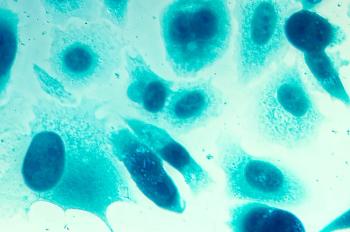
Postate cancer care shifts toward personalized, team-based management in an increasingly complex therapeutic landscape.
Pharmacists are central to implementing bispecific antibody therapies through clinical expertise, operational leadership, and care coordination.
Pharmacists support evidence-based treatment decisions, coordinate multidisciplinary care, and optimize precision oncology outcomes.
Integrated EMR systems and coordinated pharmacy operations can streamline biomarker-driven treatment decisions and improve patient outcomes.

Pharmacists play a crucial role in the treatment of patients with chronic myeloid leukemia (CML) taking tyrosine kinase inhibitors.
Pharmacists can help standardize biomarker testing and improve access to targeted therapies in non–small cell lung cancer.
Pharmacists can help optimize TKI therapy in CML through education, adherence support, toxicity monitoring, and collaboration with care teams.

CAR T drives deep remissions in myeloma and lymphoma, but payers, staffing, and hospital partners shape timely community access.
Bispecific antibodies are reshaping multiple myeloma care through improved safety and expanded outpatient use.
How community oncology practices are expanding access to innovative therapies while navigating reimbursement and care delivery challenges.

Despite benefits for reducing drug costs, community oncology practices face the unintended consequences of the IRA.

Explore the role of JAK inhibitors in myelofibrosis treatment, focusing on optimizing dosages and managing adverse effects for better patient outcomes.

Biomarker testing transforms non-small cell lung cancer treatment, enhancing outcomes through targeted therapies and next-generation sequencing for better patient care.
Explore the latest advancements in chronic lymphocytic leukemia treatment, focusing on BTK and BCL2 inhibitors, monoclonal antibodies, and patient management strategies.

Hyperglycemia is a common and significant adverse effect of PI3K and AKT inhibitors in hormone receptor-positive (HR+) breast cancer.
Judith Alberto, MHA, RPh, BCOP, discusses the COA 2025 Community Oncology Conference, emphasizing its focus on transparency in oncology and the role of data in supporting pharmacists' contributions to patient care.

Glenn Balasky discusses AI’s potential to change oncology care and optimize patient outcomes.

Fred Barton discusses the role of PBMs in making prescription drug decisions.

Gwen Nichols, MD, discusses challenges associated with the limited access to CAR T therapy and the need to expand outpatient and community care for patients.

Mark Fendrick, MD, speaks about the importance of improving financial toxicity for patients while optimizing their outcomes.

Nick Ferreyros discusses the state and federal regulations impacting payment reform.

Lalan Wilfong, MD, discusses the road to value-based care and payment reform in cancer care.

Questions arise around equity and revenue challenges.