

Navdeep Tangri, MD, PhD, FRCPC, explains how flagging roughly 3 in 10 patients as high risk prompted physicians to increase use of guideline-directed therapy.
Navdeep Tangri, MD, PhD, FRCPC, explains how flagging roughly 3 in 10 patients as high risk prompted physicians to increase use of guideline-directed therapy.

Two Kidney Week 2026 posters suggest remnant cholesterol–based markers may help stratify CKD severity and cardiovascular death risk on hemodialysis.

From AKI dosing to CKM therapeutic inertia, experts at ASN Kidney Week 2026 pointed to pharmacists as key to moving new kidney data into practice.
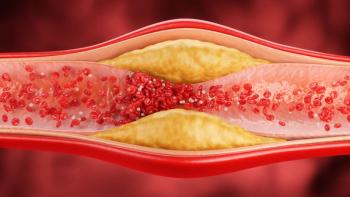
Kidney Week 2026 posters show low-density lipoprotein cholesterol (LDL-C) fell by half in patients receiving dialysis, and oral enlicitide needed no dose adjustment for renal impairment.
Joshua J. Neumiller, PharmD, CDCES, of the American Diabetes Association, discusses pharmacists’ role in diabetes and CKD care at ASN Kidney Week 2026.

Jai Radhakrishnan, MD, MBBS, MS, FASN, discusses why IgG4-related kidney disease is often missed and what the MITIGATE subgroup data presented at ASN Kidney Week 2026 show.

Real-world data from ASN Kidney Week show GLP-1 RA users with CKD and obesity had lower rates of kidney failure, death, and heart failure exacerbation.

Cystatin C is gaining ground in kidney guidelines and medication research, but a unified approach to using it in drug dosing has yet to emerge.
Hiddo J. L. Heerspink, PharmD, PhD, discusses SOLSTICE elecoglipron data, finerenone in FSGS, and glucagon’s kidney effects from ASN Kidney Week 2026.
Creatinine's kinetic profile and nonrenal determinants can leave clinicians behind as kidney function declines or recovers in critically ill patients.

Two Kidney Week 2026 analyses tie SGLT2 inhibitors to kidney, CV, and survival gains in T2D, yet over half of patients with diabetic CKD receive neither.

Two Kidney Week 2026 abstracts show a dose-response link between cardiovascular-kidney-metabolic syndrome (CKM) stage and chronic kidney disease (CKD), while primary care clinicians cite evidence and workflow barriers.

In more than 262,000 UK Biobank participants, a 5-marker cardiometabolic score was linked to graded risk at each step toward CKM multimorbidity.

In pooled CORALreef data, patients with eGFR below 60 had a 65.9% placebo-adjusted LDL-C reduction at week 24, with safety comparable to placebo.

Pharmacy Times featured experts on kidney function assessment, IgG4-related disease, emerging CKD therapies, and gaps in cardiorenal care.

New research highlights the efficacy and safety of HRS-1780, an investigational nonsteroidal MRA, in treating chronic kidney disease (CKD).

Research highlights the critical link between chronic kidney disease (CKD) and uncontrolled gout, emphasizing a need for enhanced awareness and treatment strategies.

The research further emphasizes the need for more attention on both chronic kidney disease (CKD) and mental health conditions.
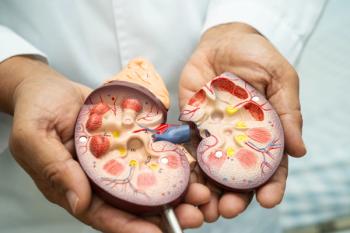
New findings reveal lorundrostat significantly lowers blood pressure and albuminuria in patients with chronic kidney disease, enhancing standard treatment efficacy.
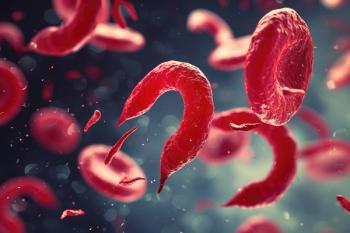
Results demonstrating safety and efficacy in those with anemia in non-dialysis dependent chronic kidney disease and anemia in dialysis-dependent chronic kidney disease were presented at the 2024 American Society of Nephrology Kidney Week.

A low carbohydrate diet plus a sodium glucose contransporter-2 (SGLT2) inhibitor was found to be safe and effective for weight loss and glycemic control in patients with diabetes and chronic kidney disease.

Although SGLT2 inhibitors are not a cure of diabetic kidney disease, this treatment can help reduce the risk and manage the disease either alone or with complementary therapies.

Deep-rooted discrimination and stigma can contribute to stressors that worsen disease progression and access to care, according to experts.

Other than dialysis, Shah notes that patients with kidney disease who are pregnant can receive either nifedipine or labetalol to control blood pressure.

Nickolas also describes how the use of novel imaging technologies, microRNA, and transcriptomics help experts better understand underlying pathogenesis of ROD.
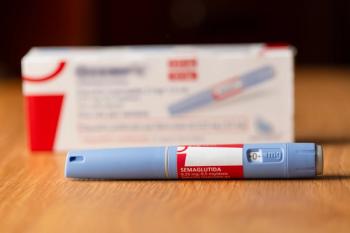
Understanding the mechanisms leading to weight loss could help identify potential benefits for cardiorenal health in patients with chronic kidney disease.

Sodium-glucose cotransporter-2 inhibitors and sodium zirconium cyclosilicate may be paired with these kidney disease medications to reduce high serum potassium.

Exercise has the potential to improve physical performance and fitness at the very least, but a multidisciplinary intervention may work better for patients with chronic kidney disease.

Awdishu describes the implementation of new equations to accurately drug dose in patients as well as provide updated guidance on the dosing of older medications.

Leung discusses that various cancer types and drugs can cause thrombotic microangiopathy and impact kidney health and the renal complications connected to hematologic malignancies.