

In outpatient breast cancer clinics, oral chemotherapies are becoming more common for various malignancies, but hematologic and non-hematologic toxicities can cause challenges for patients.
In outpatient breast cancer clinics, oral chemotherapies are becoming more common for various malignancies, but hematologic and non-hematologic toxicities can cause challenges for patients.

Oral oncolytics has become increasingly common as treatment for patients with cancer over the past several years.

According to the investigators, the cells are called ductal macrophages and function by consuming dying milk-producing cells, which need to be cleared away after milk production stops.

The objective of the study was to develop an education program that increased confidence and knowledge of pharmacists managing CDK4/6 inhibitors.

Christian G. Downs, JD, MHA, executive director of the Association of Community Cancer Centers, discusses cancer politics and policy today.

Non-small cell lung cancer is a the most common type of lung cancer with up to 90% of all lung carcinomas falling into the non-small cell category.

"Approximately 40% of melanomas are considered to be ‘cold,’ meaning that they lack sufficient infiltration of immune cells within the tumor."

Thom Cohn, chief strategy officer, Asembia, discusses the impact of emerging digital tools and other therapies on patients and prescribers.
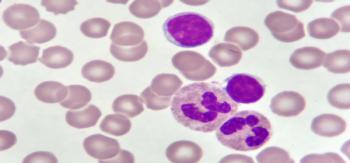
A majority of the patients who responded maintained their response for at least 1 year.

PTCE will offer 15 virtual CE sessions throughout May.
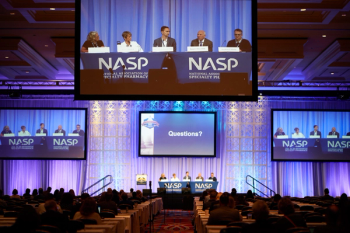
Former interim chair of the Democratic National Committee Donna Brazile and former chairman of the Republican National Committee Michael Steele will give a joint keynote presentation on the current and future political landscape.

In a new study, researchers analyzed data on cancer survivors' experiences with financial toxicity and found that survivors have unmet needs in its management.

The drug is co-formulated with recombinant human hyaluronidase PH20 and will be available as soon as the week of May 11.

In the oral chemotherapy setting, pharmacist care exceeded patients’ expectations and helped manage and avoid adverse events (AEs).
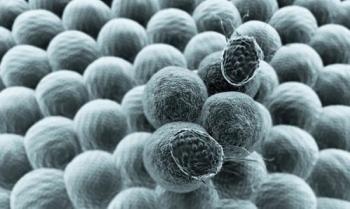
Researchers have developed a new way to map the molecules on tumor cells that flag their presence to the immune system.

Mathematicians at Cornell University are using game theory to model how cancer treatment may be administered more sparingly with maximized effect.

The findings are part of the I-SPY clinical trial and were presented at the American Association for Cancer Research virtual annual meeting.
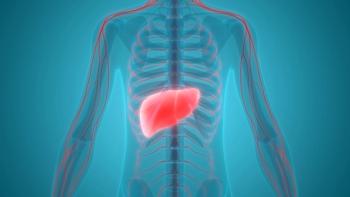
Although lifesaving drugs became available around 1998 to treat hepatitis C, they were expensive, which limited access for some patients.

Gregory Leighton, RPh, vice president of clinical solutions and patient access for Asembia, discusses how health care technology can be leveraged for the benefit of individual patients.

The objective of the study was to examine whether positive treatment effects in cancer randomized clinical trials apply to specific demographic or insurance subgroups.
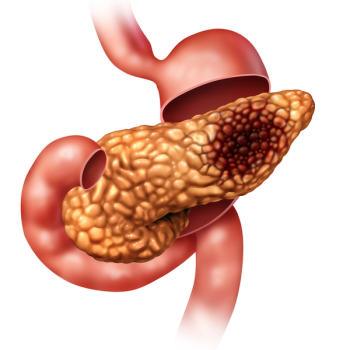
A recent study presented a risk prediction model that effectively combined genetic and clinical factors with circulating biomarkers to identify people with a higher than normal risk of pancreatic cancer.
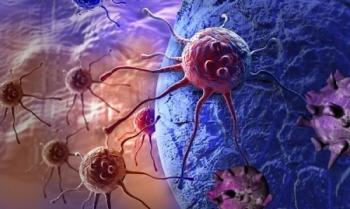
New research has discovered new elements to immunotherapy drugs that target programmed death-ligand 1 on the surface of cancer cells.
There are few effective treatment options for patients with HER2-positive breast cancer who have received 2 or more previous therapies for advanced disease, according to the study authors.

Gregory Leighton, RPh, vice president of clinical solutions and patient access for Asembia, addresses how the specialty pharmacy model can be applied to the retail channel.

A randomized clinical trial offers strong evidence that a combination of 2 targeted melanoma drugs when given continuously keeps cancer from growing or spreading longer compared with intermittent treatment.

The results of the ongoing trial were presented at the 2020 American Association for Cancer Research Virtual Annual Meeting I.

Previously, the only women with ovarian cancer eligible to be treated with PARP inhibitors as monotherapy in the maintenance setting were those with a BRCA mutation.

According to new research, biomarkers that signal whether a patient's cancer treatment may be harming their heart have been identified.

Researchers have discovered a natural protective mechanism that leads to the programmed death of potentially diseased cancer cells.

Shivani Patel, RPh, SVP, Clinical Operations and Technology, Asembia, discusses its reach in specialty pharmacy, and the company's growth.