

Stereotactic body radiation therapy shows 98% cure rate in first-time prostate cancer patients.
Stereotactic body radiation therapy shows 98% cure rate in first-time prostate cancer patients.

The biological mechanisms underlying the association between a successful plasma analysis and the age of non-small cell lung cancer patients are not fully understood.
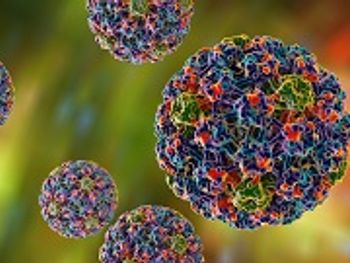
HPV vaccine found effective in reducing related cancers across all races and ethnic groups.

Top news of the day from across the health care landscape.

Lack of enrollment in clinical trials hinder advancement of cancer therapy.

Cancer diagnosis may potentially cause a decrease in physical function and mental health.

Treatment of elderly patients with multiple myeloma creates unique hurdles for care providers.

Cisplatin kills both rapidly dividing cells and non-dividing cells in the inner ear, which can lead to hearing loss.
Cancer drugs that inhibit class 1 histone deacetylases may reduce excess enlargement of heart muscle cells.
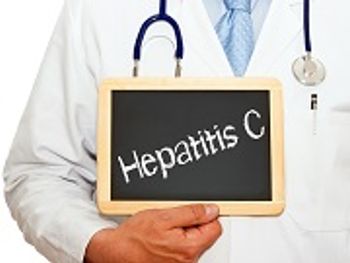
Patients with chronic hepatitis C virus have an increased risk of developing B-cell lymphomas.

Patients with chronic hepatitis C virus have an increased risk of developing B-cell lymphomas.

Sharing genetic and clinical information from cancer patients could allow researchers to better personalize cancer treatments.

Compound in horseradish called glucosinolates found to eliminate cancer-causing free radicals.
Recent advances and updates in oncology and cancer drug development.

Study finds medication reconciliation reduces error incidence in cancer patients undergoing chemotherapy.
Epigenetic changes can leave cancer stem cells vulnerable to a combination of 5-azacytidine and butyrate.

Researchers examine the relationship between sleep disorders and melanoma.
Various approaches needed for immunotherapy efficacy to translate into significant real world outcomes.

Alecensa found superior to crizotinib in advanced or recurrent, ALK-positive non-small cell lung cancer.
Targaprimir-96 causes programmed cell death in breast cancer animal models.
Mutations that affect protein levels impact tumor growth.
Top news of the day from across the healthcare landscape.

Endocrinologists seek to create an observational registry so researchers can study thyroid incidentalomas systematically.

Depression and anxiety strongly influences the success of cancer treatment.

Atezolizumab (Tecentriq) approved for locally advanced or metastatic urothelial carcinoma.
Drug-drug and drug-food interactions are evaluated in 58 oral chemotherapeutics.

Uneven distribution of the signaling protein c-Myc could aid the development of cancer vaccines.
The United States reduced cancer mortality by 26% overall, falling short of the 50% reduction goal set by the American Cancer Society.
Sorafenib for advanced hepatocellular carcinoma may not offer the significantly lengthened life expectancy reported in clinical trials.

Sorafenib for advanced hepatocellular carcinoma may not offer the significantly lengthened life expectancy reported in clinical trials.