fMRI data show cagrilintide-semaglutide altered brain responses to high-calorie food cues; REIMAGINE analyses point to ectopic fat and bone effects.
Gastric emptying delay and glucose-dependent insulin secretion make dietary counseling essential in every GLP-1 receptor agonist encounter.
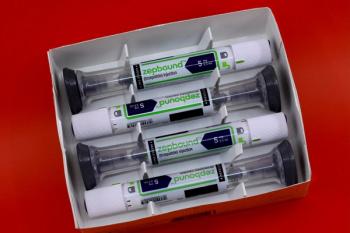
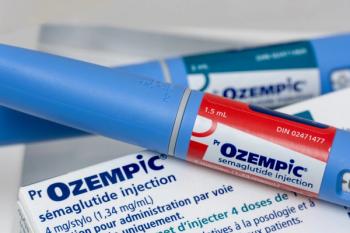
Every week, pharmacists across the country dispense semaglutide (Ozempic, Wegovy; Novo Nordisk) and tirzepatide (Mounjaro, Zepbound; Eli Lilly and Company) at a volume that would have been unimaginable 5 years ago. Glucagon-like peptide-1 (GLP-1) receptor agonists have become among the most prescribed classes of medications for weight management and type 2 diabetes in the United States.1 Patients are optimistic. Physicians are prescribing. And, in most pharmacy encounters, the clinical counseling conversation stops at injection technique, storage requirements, and adverse effect profile.
It should not stop there.
What patients eat while taking a GLP-1 receptor agonist directly affects tolerability, the severity of gastrointestinal adverse effects, and—in patients taking concurrent hypoglycemic agents—the risk of hypoglycemia. Most patients receive no specific dietary guidance beyond general healthy eating recommendations.2 For patients from culturally diverse backgrounds, this gap is compounded by a near-complete absence of guidance on traditional foods that may pharmacodynamically interact with GLP-1 mechanisms or concurrent hypoglycemic regimens. As the pharmacists at the point of dispensing, we are uniquely positioned to close this gap.
GLP-1 receptor agonists act through several mechanisms that are fundamentally intertwined with food intake: glucose-dependent insulin secretion, glucagon suppression, delayed gastric emptying, and hypothalamic appetite suppression.1 Of these, gastric emptying delay has the most direct relevance to dietary counseling.
GLP-1 receptor agonists significantly prolong the gastric emptying of both solids and liquids.1 This accounts for the prolonged postprandial satiety patients experience and for the nausea, vomiting, and early satiety that drive early discontinuation. High-fat meals independently delay gastric emptying via cholecystokinin release; when consumed during GLP-1 receptor agonist therapy, high-fat meals may amplify nausea and gastroparesis-like symptoms, particularly in the first 8 weeks of therapy.3
Discontinuation rates for GLP-1 receptor agonist therapy are a clinically significant concern. Real-world pharmacy claims analyses have found that fewer than half of patients initiating semaglutide remain on therapy at 12 months, with gastrointestinal adverse effects among the leading causes of early discontinuation.2 Targeted dietary counseling at initiation may meaningfully improve persistence.
The recommendations in Table 11,3-5 are grounded in GLP-1 pharmacology and available evidence. Pharmacists should note that robust randomized controlled trial data specifically evaluating dietary interventions to mitigate GLP-1–associated adverse effects remain limited; the guidance below is largely extrapolated from pharmacokinetic principles and clinical consensus.
Standard GLP-1 dietary guidance was developed with reference to Western dietary patterns. For patients from South Asian, West African, Caribbean, Middle Eastern, East Asian, and Latin American backgrounds, certain culturally specific foods and herbal preparations may have pharmacological properties that interact with GLP-1 mechanisms or concurrent hypoglycemic regimens. The evidence base for most of these interactions derives from animal studies, small human trials, or case reports; large randomized controlled trial data are lacking for the majority. Pharmacists should approach this area with clinical curiosity, explicitly ask about traditional food and supplement use, and counsel patients to monitor for signs of hypoglycemia rather than impose categorical dietary restrictions.
Bitter melon (Momordica charantia), consumed in South Asian, Caribbean, and East Asian communities, has demonstrated hypoglycemic activity in animal models and small human studies, attributed to charantin, vicine, and polypeptide-p.6 Evidence from large, randomized trials is lacking. Patients consuming bitter melon regularly while on GLP-1 therapy with concurrent sulfonylureas or insulin should be advised to monitor blood glucose for additive hypoglycemia. Culinary amounts used as a vegetable may differ meaningfully from supplemental doses studied in trials.
Fenugreek (Trigonella foenum-graecum), a common ingredient in South Asian and Middle Eastern cooking, contains soluble fiber and 4-hydroxyisoleucine, which may augment glucose-dependent insulin secretion and slow carbohydrate absorption.7 A meta-analysis of clinical trials found modest blood glucose–lowering effects. Patients using fenugreek supplements (as opposed to small culinary amounts) while on diabetes pharmacotherapy should be counseled about potential additive hypoglycemia.
Moringa (Moringa oleifera), used in West African, Caribbean, and South Asian communities, has shown hypoglycemic activity in small clinical studies of variable quality; evidence is insufficient to make definitive drug interaction recommendations.8 Pharmacists should ask specifically about moringa supplement use, as supplemental doses may differ substantially from amounts consumed as food.
Herbal teas from diverse cultural traditions—including soursop leaf tea (Annona muricata) and various traditional preparations—may contain botanicals with hypoglycemic or motility-affecting properties, although direct clinical evidence for interaction with GLP-1 receptor agonists is absent.9 Pharmacists should include herbal tea use in medication history review for all patients initiating GLP-1 therapy.
It is important to clarify that concerns about tyramine-rich fermented foods and GLP-1 receptor agonist therapy are not supported by a recognized pharmacological mechanism. GLP-1 receptor agonists do not inhibit monoamine oxidase and do not carry the tyramine-interaction risk that characterizes monoamine oxidase inhibitors. The monoamine oxidase inhibitor dietary restriction framework should not be applied to GLP-1 therapy.10,11
The question “What do you typically eat in a day?” is among the most clinically useful and most underutilized questions in pharmacy practice. For patients initiating GLP-1 receptor agonist therapy, a brief structured assessment at dispensing provides the foundation for individualized counseling. Table 2 highlights some key questions to ask at various encounters.
GLP-1 receptor agonists are transformative medications whose tolerability and safety are directly influenced by what patients eat. The pharmacist at the point of dispensing is often better positioned than any other clinician to provide the dietary counseling that meaningfully improves outcomes for these patients.
The conversation takes 2 to 3 additional minutes. It may prevent weeks of avoidable adverse effects, reduce early discontinuation, and lower the risk of hypoglycemia. For patients from culturally diverse backgrounds, asking about traditional foods and herbal preparations may be the first time anyone in the health system has done so.
Pharmacists fill GLP-1 prescriptions every day. We should be having this conversation.
About the Author
Oluremi Olukoya, PharmD, is founder and chief executive officer of PharmaPlan Systems (G & V Health Services LLC) in Tomball, Texas.