
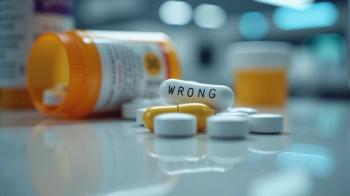
Performing medication reconciliations and assessing for drug interactions are examples of strategies to prevent medication errors.
Performing medication reconciliations and assessing for drug interactions are examples of strategies to prevent medication errors.

National certification, advanced specialization, and informatics enhance career longevity and patient safety

PTCB credentialing elevates pharmacy technicians’ safety and career commitment, boosts patient trust, and enables efficient delegation—helping reduce medication errors in modern pharmacies.

Learn how pharmacists vet financial planners: CFP credentials, true fiduciary duty, fee transparency, and six questions to avoid costly mistakes.

FDA clears an oral TYK2 blocker for active psoriatic arthritis, delivering strong ACR20 gains with a familiar safety profile.

When performed appropriately, medication reconciliations can reduce discrepancies from as high as 70% to as low as 15%.

Beyond memantine's approved use in Alzheimer disease, emerging evidence highlights a possible role for it in select epilepsy cases.

Pharmacies tackle drug pollution with take-back programs, smarter packaging, less paper, and responsible prescribing to protect water and wildlife.

Direct-to-consumer offerings were a shot across the bow. Direct-to-employer offerings are a torpedo to the midship of the PBM business model.

Pharmacists reshape care, from maternal medication safety to sustainability, cutting waste and improving public health across communities.

The Medications Optimizing Maternal Safety (MOMS) program offers vital support to pregnant patients through community pharmacies.