

The 340B program allows covered entities to stretch scarce federal resources to the furthest extent possible to provide patients in need with comprehensive services.
Alana Hippensteele is lead editor at Pharmacy Times®, Contemporary Clinic, and Pharmacy Times Oncology Edition®. She has a master's in Critical Theory and Creative Research from Pacific Northwest College of Art and a bachelor's degree in English and Art History. She has worked as an English instructor at Temple University and held editorial positions at American Cleaning & Hygiene and Tin House.
The 340B program allows covered entities to stretch scarce federal resources to the furthest extent possible to provide patients in need with comprehensive services.

An axillary lymph node dissection, which is the surgical removal of 10 to 20 lymph nodes from the breast, is a procedure conducted in up to 25% of women with breast cancer to disable symptoms of arm swelling.

During the COVID-19 pandemic, pharmacists have been forced to face challenges to their practice that have required not only adaptation and flexibility, but also moments of empathy and vulnerability.

Providers must account for important considerations when choosing the appropriate therapy for each patient based on their specific needs.
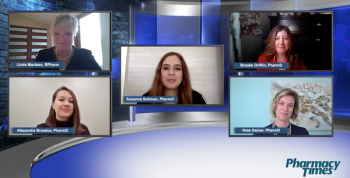
On Women Pharmacist Day on October 12, a panel discussion webcast consisting of leading women in pharmacy discussed the importance of recognizing the impact of women on the pharmacy landscape and the history of women in the field.

In a recent guidance issued by the HHS under the PREP Act, qualified pharmacy technicians and state-authorized pharmacy interns are authorized to administer childhood vaccines, COVID-19 vaccines upon availability, and COVID-19 tests.

Thirty-four percent of people in Turkey and 17% of people in the UK report that they are “hesitant” about a COVID-19 vaccine, primarily based on the their beliefs regarding the origin of the virus.

Cholesterol-lowering statins have been found to potentially reduce the risk of cancer via a pathway that is unrelated to its impact on cholesterol, according to a recent study.

According to Amy Kallo, a PharmD student at Midwestern University, working at a pharmacy during the pandemic helped to solidify her understanding of the role of pharmacists as educators in their communities.

The US Department of Health & Human Services released guidance at the beginning of the pandemic clarifying guidelines regarding best practices in HIV care.

Researchers found that the combination of medication and psychoeducational therapy has greater efficacy in the prevention of recurrence of illness in people with bipolar disorder than treatment with medication alone.

In 2019, the independent community pharmacy industry represented 35% of all retail pharmacies in the United States with a $73.7 billion marketplace, according to the NCPA’s recently released 2020 NCPA Digest.

Women diagnosed with cancer as adolescents or young adults can be especially vulnerable to the impact of the disease and its treatment on their ability to work.

Hospitalized patients with COVID-19 treated with enoxaparin were found to have lower rates of thrombosis, kidney injury, and mortality than patients treated with unfractionated heparin.
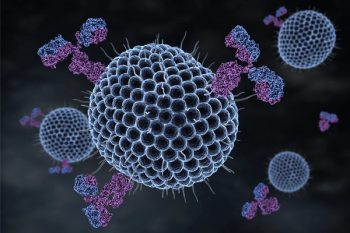
Due to the suboptimal rates of live-attenuated varicella vaccination, outbreaks of varicella-zoster virus still occur, causing incidence of both varicella and herpes zoster.

Following the release of a new report by the HHS acknowledging pharmacists as integral members of the hypertension care team, the NACDS released a statement on the importance of this report.

Bacteria in the gut may play a role in the treatment outcomes of patients with prostate cancer taking oral medications, according to a recent study.
In an upcoming webcast to celebrate #WomenPharmacistDay, female leaders in pharmacy will discuss the importance of recognizing the impact of women on the pharmacy landscape.

Women who had longer reproductive periods during their lifetimes were found to have a greater risk of dementia in older age compared with those who had shorter reproductive periods.

Leaders in the field provide an overview of the DOAC drug class and how best to use the growing number of options.

During American Pharmacists Month, the National Association of Chain Drug Stores is honoring the role of pharmacists as the most accessible point of health care for patients, particularly among those in the greatest need.

The FDA has approved golimumab for the treatment of patients 2 years of age and older with active polyarticular juvenile idiopathic arthritis.

Two groups of medications that are generally prescribed to treat type 2 diabetes have been found to reduce risks associated with chronic kidney disease and cardiovascular disease.

Only one-third of parents believe it is more important for their children to receive an influenza (flu) vaccine this year than previous years, according to a recent national poll.

Under the 2020 CARES Act that Congress passed and signed into law on March 27, the items eligible for reimbursement by FSAs and HSAs include OTC medications and menstrual products.
At ESMO 2020, researchers discussed some long-awaited data regarding postoperative radiotherapy used in patients with non-small cell lung cancer following complete resection and after (neo) adjuvant chemotherapy.
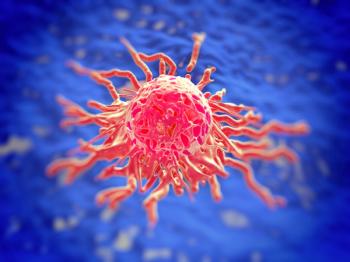
Among patients with cervical cancer, there was no significant difference found between the risk of recurrence, local recurrence, or death among individuals who either completed or abandoned a radical uterine procedure following the intraoperative detection of a positive pelvic lymph node.

A combination treatment was found to be associated with significantly less weight gain and smaller increases in waist circumference than treatment with olanzapine alone.

The predictive value provided by T effector and angiogenesis signatures were found to be augmented by Kidney Immune Classification of tumor microenvironments.

Pharmacy Times® interviewed Anne Marie Kondic, PharmD, the executive director of the Community Pharmacy Foundation, on the grant opportunities on the horizon that support the practice of pharmacy in the community setting.