Commentary|Articles|June 30, 2026

OPC 2026: Translating Emerging Data into Pharmacy Practice

Listen
0:00 / 0:00

Oncology Pharmacists Connect 2026 emphasized the pharmacist’s role in translating rapidly evolving evidence into patient-centered, operationally feasible cancer care.

The 4th Annual Oncology Pharmacists Connect (OPC) was held June 18 and 19, 2026, in Austin, Texas, bringing together oncology pharmacists for a focused review of practice-changing data from recent oncology meetings, including the American Society of Clinical Oncology (ASCO) Annual Meeting and the European Hematology Association (EHA) Congress. The meeting emphasized the pharmacist’s role in translating rapidly evolving evidence into patient-centered, operationally feasible cancer care.
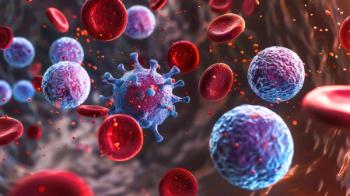
A defining strength of the conference was its pharmacy-centered lens. Rather than simply reviewing emerging clinical data, faculty and panelists examined how new evidence may affect regimen choice, toxicity management, biomarker testing, access, transitions of care, formulary decision-making, and day-to-day implementation across diverse oncology practice settings.

Program Overview

The meeting opened with preconference BCOP encore programming presented by the Hematology Oncology Pharmacy Association, followed by a main program spanning a day and a half that consisted of educational sessions, interactive roundtables, panel discussions, networking opportunities, and a poster reception featuring pharmacist-led research and quality improvement initiatives.

The continuing education sessions addressed 3 high-impact areas in oncology pharmacy, including a mechanistic approach to bispecific antibodies, genomic drivers in non–small cell lung cancer with attention to ROS1-directed therapy, and the emerging role of menin inhibitors in acute myeloid leukemia.

Interactive Workshops Highlight Practice Implementation

Two interactive workshops were among the most distinctive components of the program. In the first, attendees discussed real-world approaches to operationalizing step-up dosing for bispecifics, T-cell engaging therapies, with particular attention to safely transitioning appropriate care into the outpatient setting. In the second, participants explored the pharmacist’s role in precision medicine, which included opportunities and barriers associated with interpreting genomic data and how to apply them to individualized treatment decisions.

These workshop formats fostered practical exchange among community oncology practices, academic medical centers, and payer representatives. The result was a broad discussion of shared challenges and site-specific barriers, offering attendees an uncommon exposure to how different care models are adapting to increasingly complex oncology therapies.

Clinical Themes from the Main Sessions

The main topic sessions followed a consistent and effective format: A pharmacist expert summarized key abstracts from ASCO or EHA, which were then followed by a pharmacist panel discussion that focused on implications for clinical practice. This structure helped move the conversation beyond trial results alone and toward the practical questions pharmacists must address when applying new data at the patient, clinic, and health-system levels.

Across sessions, a central theme emerged: oncology care continues to move toward increasingly targeted and personalized therapy. Discussions repeatedly returned to and addressed the expanding use of biomarkers, the importance of matching therapies to tumor biology, and the pharmacist’s responsibility in helping teams interpret evidence, anticipate toxicities, support treatment adherence, and improve patient access to novel treatments.

Key Scientific and Practice Highlights

Thursday’s sessions highlighted several areas of rapid change:

  • In breast cancer, presenters discussed the expanding role of actionable biomarkers and HER2-targeted antibody-drug conjugates, including their potential relevance in triple-negative disease.
  • In multiple myeloma, sequencing strategies generated substantial discussion, particularly retrospective data suggesting improved outcomes when CAR T-cell therapy was used before bispecific antibody therapy.
  • Gastrointestinal oncology discussions underscored growing interest in RAS inhibition in pancreatic cancer, while also emphasizing the operational considerations that accompany novel targeted approaches.

Friday’s program continued with the emphasis on individualized care and implementation:

  • In cutaneous malignancies, an individualized mRNA vaccine approach designed to improve responses to immunotherapy was among the key abstracts discussed.
  • Operational and supportive care sessions addressed the feasibility of outpatient CAR T-cell therapy and reviewed emerging evidence on glucagon-like peptide-1 receptor agonists and cancer-related outcomes beyond weight loss.
  • The conference concluded with a thoracic oncology session focused on long-term follow-up with lorlatinib in patients with ALK-positive disease.

Implications for Oncology Pharmacists

The meeting reinforced the increasingly vital role of oncology pharmacists in translating emerging evidence into practice. As cancer treatment becomes more personalized and operationally complex, pharmacists are essential to regimen evaluation, toxicity prevention and management, biomarker-informed decision-making, patient education, medication access, and care coordination across treatment settings.

OPC 2026 offered a timely forum for pharmacists to examine the most relevant oncology data through a practical, patient-centered lens. By combining scientific updates with peer-to-peer discussion and implementation-focused programming, the conference provided attendees with actionable insights to support safer, more effective, and more equitable cancer care.


Latest CME