






Diabetes
Latest News
Advertisement
Latest Videos






CME Content

















Advertisement
More News
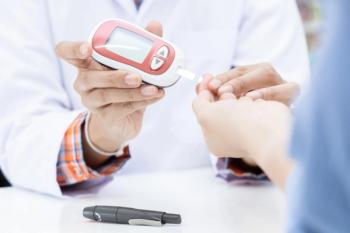
American Diabetes Association Scientific Sessions speaker Ivan de Araujo emphasizes the importance of the pharmacist’s role in diabetes care and his hopes for the future of care.

Pharmacy Times will be at the American Diabetes Association (ADA) 84th Scientific Sessions in Orlando, Florida from June 21 to June 24, 2024.
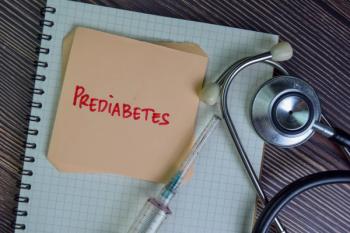
Impaired glucose tolerance is a significant risk factor for developing diabetes.
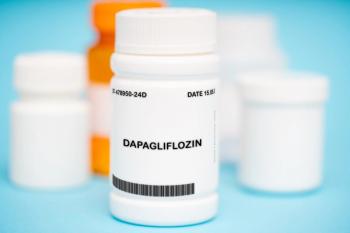
The indication is for the improvement of glycemic control in pediatric patients aged 10 and older with type 2 diabetes and comes after positive results from the phase 3 T2NOW clinical trial.
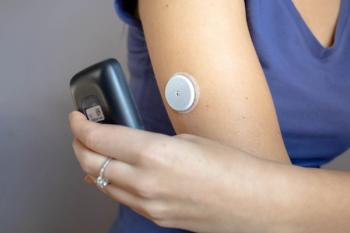
Continuous glucose monitoring systems offer timely biofeedback for patients with type 2 diabetes.
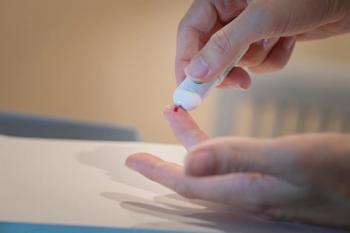
To qualify for therapy, patients must be screened for type 1 diabetes islet autoantibodies when they are asymptomatic, which requires better education on screening opportunities.
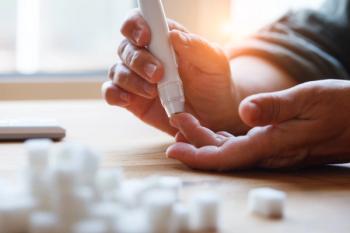
Body mass index is the main driver of type 2 diabetes globally, accounting for 52.2% of disability-adjusted life years.

Topline results of QWINT-2 and QWINT-4 met the primary end point of change in hemoglobin A1c compared to degludec and glargine, respectively, for those with type 2 diabetes.
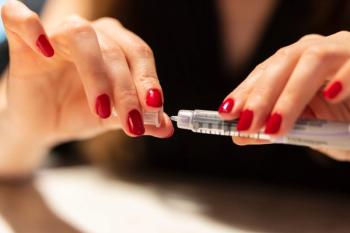
The role of semaglutide as a glucagon-like peptide-1 (GLP-1) receptor antagonist could offer further treatment options to improve patient outcomes.
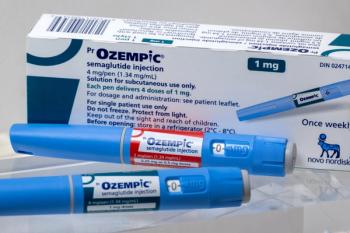
Data have shown the potential for the therapy to treat several new conditions.

Aligning community pharmacy interventions with top-down findings, payers’ population health priorities, and identified unmet needs can help develop a sustainable pathway.

The oral medication activates an “anti-hunger” molecule which may prevent people from overeating.
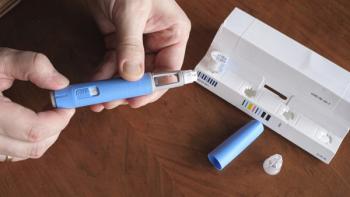
According to the results, approximately 82% of adults said they have heard at least a little about GLP-1 medications and 32% said they have heard a lot.

In diabetic rats, investigators found a decrease in urine biomarkers and expression of proteins that play a part in renin-angiotensin system (RAS).
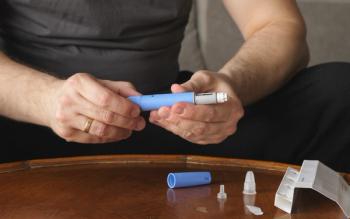
Novo Nordisk and Eli Lilly have spoken out against the use of their GLP-1 medications for cosmetic weight loss, emphasizing the proper use of their medications.
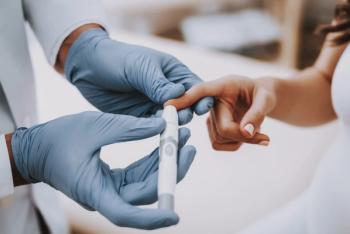
Conversations and counseling points should be tailored to patients’ individual needs and treatment goals
Optical glucose sensing techniques have been reported, but they require complex optical instrumentations found in laboratories, so feasibility for patient use has been challenging.
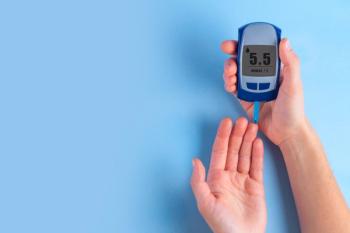
Investigators found that the individuals’ peak cognitive performance coincided with glucose levels that were slightly above the normal range.
James Shehan shares insights on the promising trends shaping the weight loss medication and how changing views of obesity could pave the way for uptake GLP-1s.
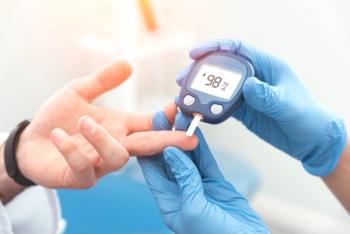
Pharmacists can help to interpret HbA1c and glucose results when patients come to pick up medications and contact prescribers and/or make recommendations based off patient results.
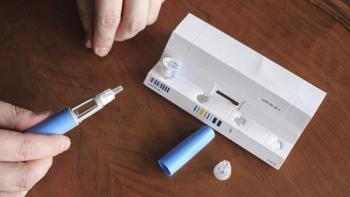
James Shehan discusses the growth of the GLP-1 receptor agonist market for medicated-assisted weight loss.
Tirzepatide is currently approved for management of type 2 diabetes, improving glucose control, facilitating weight loss, and improving cardiovascular disease outcomes.

Evidence suggests foods that activate sirtuin proteins may be beneficial for metabolic syndromes

A pharmacist discusses the impact of comprehensive weight management with a shared decision making approach.

In addition to improved efficacy, newer generations of anti-obesity medications have significantly improved safety concerns.
Advertisement
Advertisement
Trending on Pharmacy Times
1
TrumpRx Launches, Offering Cash-Paying Patients Discounted Drugs
2
Pharmacist Takeover: CAR T Therapy Signals a Shift in ALL Treatment
3
SGLT2 Inhibitors in T2D Lower 5-Year Risk of CKD and Acute Kidney Injury
4
Evaluating Pharmacists’ Role In Veterinary Medication Management and Education
5