





Diabetes
Latest News
Advertisement
Latest Videos




CME Content

















Advertisement
More News

Pharmacists can educate patients and health care professionals in addition to coordinating lab orders, interpreting results, and guiding patients through the next steps.
Jennifer Goldman, PharmD, CDCES, BC-ADM, FCCP, explains the different stages of type 1 diabetes, teplizumab’s use, and emphasizes the pharmacist’s role in care.

Pharmacists should consider GLP-1 receptor agonists as second-line agents in older adults with DKD when additional glycemic control is needed.

Researchers reveal that saliva tests for insulin levels offer a noninvasive method to predict type 2 diabetes and obesity risks effectively.

Amy C. Nieto explains essential guidelines for managing diabetes during Ramadan, ensuring safe fasting practices and optimal health for patients.

A new study reveals that individuals with type 2 diabetes (T2D) face significant financial hardships, impacting their health and medication adherence.

Jennifer Goldman, PharmD, CDCES, BC-ADM, FCCP, discusses the expanding role of GLP-1 receptor agonists in holistic type 2 diabetes care, highlighting their cardio-renal-hepatic benefits, clinical access challenges, emerging investigational therapies, and practical strategies for individualized, guideline-based prescribing.

GLP-1 receptor agonists show promise in improving survival rates for older patients with cancer who have type 2 diabetes (T2D), highlighting their potential in oncology.
Insights from the American Diabetes Association 85th Scientific Sessions.

Pharmacists are pivotal in optimizing GLP-1 receptor agonist therapy.

Critically ill patients treated with a pharmacist-managed insulin protocol achieved higher rates of glucose control than those treated with conventional methods.

Different dietary strategies, including intermittent energy restriction, enhance weight loss and blood sugar control in those with type 2 diabetes (T2D) and obesity.

Once-weekly efsitora alfa shows promising hemoglobin A1C reduction in type 2 diabetes (T2D), simplifying insulin therapy and reducing injection frequency significantly.

Obesity and type 2 diabetes in youth significantly increase the risk of osteoporosis and fractures, highlighting the need for early intervention and healthy habits.
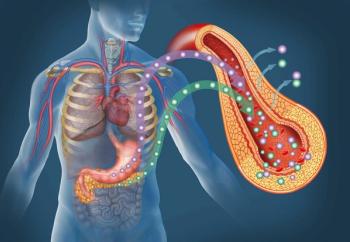
Finerenone emerges as a promising treatment for patients with diabetes and chronic kidney disease, significantly reducing cardiovascular and renal risks.

A maternal inflammatory diet during pregnancy raises the risk of offspring developing type 1 diabetes, highlighting the impact of nutrition on early health.
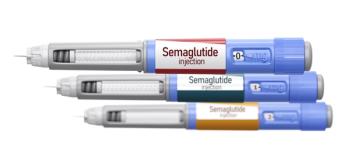
GLP-1 medications like semaglutide face scrutiny over compounded versions, raising concerns about patient safety and counterfeit products in diabetes treatment.

Simplifying complex information through illustrations has consistently helped patients feel that managing type 1 diabetes is achievable.
As compounded medications gain popularity amid drug shortages, concerns about safety, quality, and regulation have intensified, making Pharmacy Compounding Accreditation Board (PCAB) accreditation a safeguard for consistency, oversight, and public trust in compounding pharmacy practices.
A groundbreaking trial shows zimislecel significantly reduces insulin dependence in patients with type 1 diabetes, offering hope for a functional cure.
SGLT2 inhibitors improve diabetes management but may cause erythrocytosis without increasing blood clot risks, highlighting the need for careful monitoring.

New research reveals that combining bimagrumab and semaglutide enhances fat loss while preserving muscle mass, revolutionizing obesity treatment strategies.
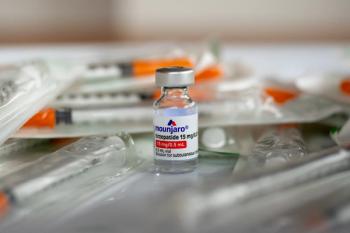
The session highlighted tirzepatide’s unique mechanism of action, based on comprehensive clinical data and real-world evidence.

Continuous glucose monitoring (CGM) is poised to transform type 2 diabetes management.
Advertisement
Advertisement
Trending on Pharmacy Times
1
TrumpRx Launches, Offering Cash-Paying Patients Discounted Drugs
2
Pharmacist Takeover: CAR T Therapy Signals a Shift in ALL Treatment
3
SGLT2 Inhibitors in T2D Lower 5-Year Risk of CKD and Acute Kidney Injury
4
Q&A: Making Plant-Based Eating Practical in Pharmacy-Led Cardiometabolic Care
5