


Multiple Myeloma
Latest News

Advertisement
Latest Videos






Shorts

0:46
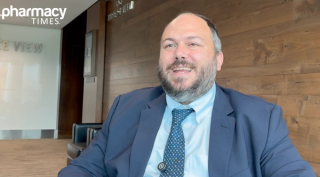
"Getting Closer" to Improved Outcomes and Reimagined Treatment Approaches in Multiple Myeloma, Expert Says
4 months ago
by
Gillian McGovern, Editor(+1 more)

0:36
Novel Immunotherapy Combinations Can Be Practice-Changing
4 months ago
by
Gillian McGovern, Editor(+1 more)

1:23
Reimagining Multiple Myeloma Research to Focus on Patients and Quality of Life
4 months ago
by
Gillian McGovern, Editor(+1 more)
Podcasts

CME Content




















Advertisement
More News
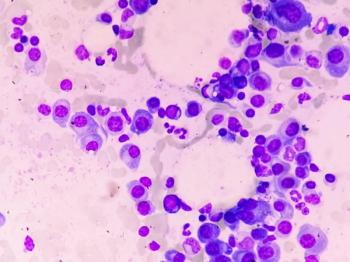
New research uncovers why multiple myeloma affects men more than women, highlighting sex-based differences in disease presentation and risk factors.
A new dual-antibody therapy shows promise in treating extramedullary multiple myeloma, offering hope for patients with limited options.
Pharmacists can play a pivotal role in overcoming the many challenges that exist in accessing immunomodulatory drugs in multiple myeloma.
A high-fiber, plant-based diet shows promise in delaying multiple myeloma progression and enhancing metabolism and immune response in patients with precursor conditions.
FDA grants a national priority voucher to teclistamab and daratumumab for relapsed/refractory multiple myeloma, enhancing treatment approval speed.

MRD and ctDNA testing could revolutionize monitoring and diagnosing precursor diseases of multiple myeloma.

High-dose busulfan-melphalan enhances VRd therapy, improving progression-free survival in high-risk multiple myeloma patients undergoing ASCT.

Mount Sinai's study uncovers how ciltacabtagene autoleucel enhances long-term remission in multiple myeloma by leveraging the patient's immune response.

Talquetamab shows promising efficacy in heavily pretreated patients with relapsed/refractory multiple myeloma, reinforcing its role in advanced treatment strategies.
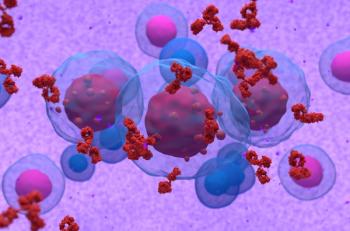
The FDA approves daratumumab and hyaluronidase for high-risk smoldering multiple myeloma, significantly improving patient outcomes and progression-free survival.

CAR-T and BsAb therapies revolutionize multiple myeloma treatment but pose infection risks, necessitating vigilant monitoring and tailored prevention strategies.

RSV infections in multiple myeloma patients delay treatment but do not increase mortality, highlighting the need for further research on infection management.

Research reveals a notable risk of invasive fungal infections in multiple myeloma patients undergoing BCMA-targeted CAR T-cell therapy, highlighting the need for vigilant monitoring.

Expert shares notable findings presented at the 2025 IMS Annual Meeting.
FDA approves belantamab mafodotin-blmf for relapsed or refractory multiple myeloma, enhancing treatment options and survival rates for patients with limited therapies.

The move emphasizes the need for vigilant monitoring.

Frail patients with multiple myeloma (MM) can safely reduce dexamethasone use, enhancing treatment outcomes without increasing infection risks.

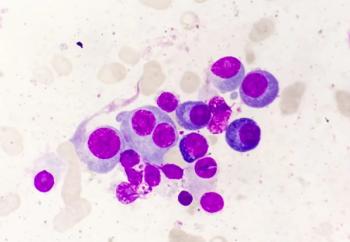
In a dose-escalation portion of LINKER-MM4, linvoseltamab monotherapy demonstrated a high overall response rate (ORR) and minimal residual disease (MRD) negativity in both transplant-eligible and transplant-ineligible patients with newly diagnosed multiple myeloma (NDMM).

New research links rapid CAR T-cell expansion to delayed neurotoxicity in patients with multiple myeloma.

Elranatamab enhances MRD negativity in relapsed/refractory multiple myeloma post idecabtagene vicleucel, promising improved treatment outcomes.

Belantamab mafodotin with bortezomib shows promising survival benefits for lenalidomide-refractory multiple myeloma patients.

Intravenous immunoglobulin (IVIG) treatment significantly reduces infection rates in multiple myeloma patients receiving BCMA bispecific antibodies, showcasing its clinical benefits.
Elranatamab combined with daratumumab and lenalidomide shows promising results for treating newly diagnosed multiple myeloma, enhancing patient outcomes.

An expert discusses the promising results of elranatamab as a consolidative therapy for relapsed/refractory multiple myeloma, enhancing patient outcomes.
Advertisement
Advertisement
Trending on Pharmacy Times
1
TrumpRx Launches, Offering Cash-Paying Patients Discounted Drugs
2
Pharmacist Takeover: CAR T Therapy Signals a Shift in ALL Treatment
3
SGLT2 Inhibitors in T2D Lower 5-Year Risk of CKD and Acute Kidney Injury
4
Evaluating Pharmacists’ Role In Veterinary Medication Management and Education
5