





Pain Management
Latest News
Advertisement
Latest Videos








CME Content



















Advertisement
More News

Short-term spinal cord stimulation could provide long-term pain relief and improve the overall quality of life for individuals with herpes zoster-associated pain and postherpetic neuralgia.

If approved, cyclobenzaprine hydrochloride (HCl) will be the first member of a new class of analgesic drugs for fibromyalgia.

In hospital and critical care settings, pharmacists can play a significant role in educating other health care providers about treatment options, proper dosing, and more.

In this episode of Public Health Matters, Christina Madison discusses pharmacist-physician collaborations with Amina Abubakar and Stephen Lewis.

GNSC-001 is a first-in-class gene therapy designed to offer long-term relief of musculoskeletal diseases such as osteoarthritis.
In this episode of Public Health Matters, Christina Madison discusses pharmacist-physician collaborations with Amina Abubakar and Stephen Lewis.

Pharmacists, who play a crucial role at the intersection of prescribing and dispensing, are well-positioned to influence these disparities.

Opioid stewardship pharmacist Maureen Saphire, PharmD, BCGP, focuses on advocating for appropriate opioid access for patients with cancer and sickle cell disease, promoting safe opioid use, and supporting leadership and strategic planning as keys to successful opioid stewardship.

Brian Anderson, PharmD, RPh provides important considerations for pharmacists regarding patient use of benzodiazepines.
Jeff Boyer, PharmD, BCPS, discusses his role in opioid stewardship at the Southern Arizona VA Healthcare System, highlighting his work in pain management coordination, interdisciplinary collaboration, patient and provider education, and data-driven strategies to support safe opioid use and address the opioid crisis.

Opioid stewardship coordinator Stephanie Abel, PharmD, BCPS, discusses initiatives such as increasing naloxone access, refining pain management protocols, and addressing stigma around opioid use disorder, highlighting the importance of clear goals and emotional intelligence for effective stewardship programs.

The approval marks the first and only abuse-deterrent immediate release oxycodone formulation.

Pharmacists are encouraged to leverage prescription drug monitoring programs connect patients to community-based resources to address the opioid crisis and pharmacy deserts.

Had the pharmacy established safe opioid prescribing policies?

Pharmacists are positioned to combat the opioid crisis through educating the public and advocating for policy changes to enable harm reduction strategies.

Pharmacogenomic testing can help identify patients' genetic profiles, revealing why certain drugs may be less effective or cause adverse effects.

The updated recommendations include CGRP inhibitors as a first-line treatment option for chronic and episodic migraine prevention.
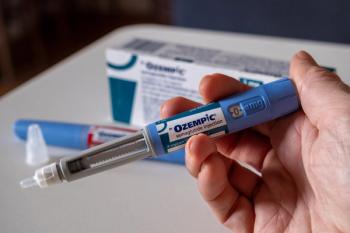
In previous studies, semaglutide was found to modulate dopamine reward signaling and decreased drug rewards (specifically heroin) in rodents.

Pharmacists have developed an expanded role in the team-based approach through medication therapy management.
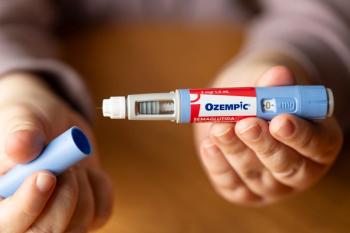
The weight loss drug continues to show promise in treating a variety of other conditions.

The guidelines mark a shift in practice by recommending a multimodal approach to opioid prescribing practices.

The authors urge that screening, prevention, and treatment of anxiety and depression should be important health care priorities for youth who have chronic pain.

The money could be used for prevention and treatment services, health care practitioner training, or other ways to stem the epidemic.

Pharmacists should educate patients about proper medication storage and offer naloxone to optimize safety.

AI and other technologies, in conjunction with ASHP’s guidelines, can improve drug diversion monitoring and outcomes.
Advertisement
Advertisement
Trending on Pharmacy Times
1
TrumpRx Launches, Offering Cash-Paying Patients Discounted Drugs
2
Pharmacist Takeover: CAR T Therapy Signals a Shift in ALL Treatment
3
Strengthening Neurology Care Through Clinical Pharmacy Integration and Collaborative Practice
4
SGLT2 Inhibitors in T2D Lower 5-Year Risk of CKD and Acute Kidney Injury
5