























Nutra Pharma and Omnia Biologics will partner to create pediatric multiple sclerosis treatment derived from cobra venom.
Nutra Pharma and Omnia Biologics will partner to create pediatric multiple sclerosis treatment derived from cobra venom.

People of color who are underrepresented in multiple sclerosis clinical trials need to be engaged.

The FDA has approved 14 disease-modifying medications for use in relapsing forms of multiple sclerosis.
Biogen will discuss results from various studies examining their expansive portfolio of multiple sclerosis drugs.

Novartis experimental drug BAF312 met its primary endpoints in a phase 3 study.

The heavy reliance on MRI abnormalities and the tendency of multiple sclerosis to resemble other rare diseases leads to misdiagnoses.

Test can identify multiple sclerosis from other neurological conditions.

The lack of rigid fatigue descriptions in multiple sclerosis inhibit treatment advances.

Xbox One Kinect platform shown to be effective helping walking gait issues in patient with multiple sclerosis.

Early treatment for multiple sclerosis found to delay relapse.

Limiting oxidative stress could treat Alzheimer’s and Parkinson’s diseases.
Glunomab may inhibit the progression of motor disorders associated with multiple sclerosis.

Glunomab may inhibit the progression of motor disorders associated with multiple sclerosis.

The relevancy of randomized controlled trials of experimental drugs for multiple sclerosis in standard practice called into question.

A small proportion of patients with autoimmune syndrome have diabetes.
Add-on therapy to interferon beta-1a is a potentially groundbreaking oral antibiotic combination.
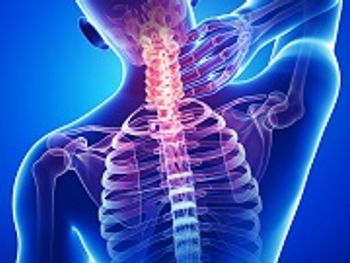
Multiple types of spinal cord stimulation could be used to treat chronic back and limb pain.

Researchers target causes of severe depression in MS patients.

Microorganisms in the gut play a role in inflammation among patients with multiple sclerosis.

Is the cost of specialty drugs worth the price in small patient populations?

Four genes found linked to epigenetic mechanisms that contribute to multiple sclerosis.

Resistance and endurance exercises may improve muscle growth and repair in multiple sclerosis patients.
Mice treated with rapamycin showed improved locomotor function and reduced sensitivity.

Evidence builds supporting the use of fecal transplants to treat infections in the gut microbiome.