






Cardiovascular Health
Latest News
Advertisement
Latest Videos





CME Content






















Advertisement
More News

The registry data showed that cardiac magnetic resonance (CMR) was obtained in more clinically complex patients with recurrent pericarditis.
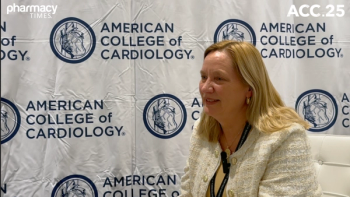
Sarah Spinler, PharmD, FCCP, FAHA, FASHP, AACC, discussed management of atrial fibrillation in patients with cancer.
Host Craig Beavers spoke with several presenters, researchers, and experts about the key data being discussed at the meeting.
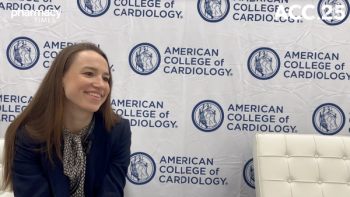
Anna Sophie Mueller, MD discusses how imaging could advance risk identification in cardiovascular care.
Marc Humbert, MD, PhD, shared data that were presented at the ACC 2025 Scientific Sessions.

Jawad Butt, MD, offers insight into his analysis of the FINEARTS-HF trial.
John Buse, MD, PhD discusses the expanding role of GLP-1 receptor agonists in treatment of cardiovascular conditions.

Patients in the treatment group had a 21% lower risk of cardiovascular death or first heart failure hospitalization overall, but the between-group difference did not meet the threshold for statistical significance for this primary end point.
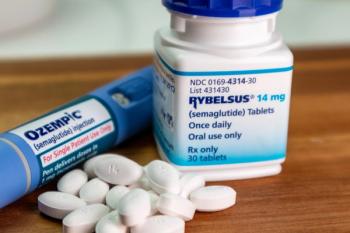
The trial is the first to test the cardiovascular benefits of an oral glucagon-like peptide-1 (GLP-1) agonist.
Christian Ruff, MD, highlights abelacimab’s potential to significantly reduce bleeding in patients with high-risk atrial fibrillation.
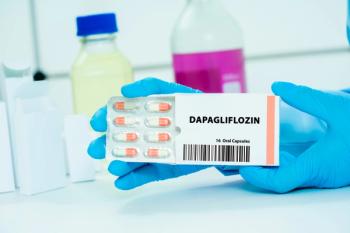
The DapaTAVI study is the first trial of a sodium-glucose cotransporter-2 (SGLT2) inhibitor for valvular disease.
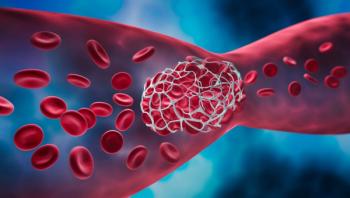
Rivaroxaban offers more predictable dosing, eliminates frequent blood tests, and is less likely to interact with foods.

The results should lead to a guideline update recommending extended treatment with a reduced-dose anticoagulant in this patient population.

The STRIDE trial was first of its kind to evaluate the use of a GLP-1 agonist in PAD management.
Marc Bonaca, MD, PHH, FACC discussed semaglutide’s potential benefits for non-diabetic patients with peripheral artery disease.

Pharmacy Times will be on-site in Chicago, Illinois from March 29 through 31.

If approved, this novel monoclonal antibody therapy could become a standard of care emergency option for patients with acute myocardial infarction, which affects millions in the United States and across the world.
This new podcast will explore the latest evidence, practices, and innovations in the world of cardiovascular care from a pharmacist's point of view.

The innovative neonatal cardiac progenitor cell therapy is designed to repair heart tissue in patients with heart failure with preserved ejection fraction (HFpEF).

This subset of heart failure requires unique therapeutic considerations.

Vutrisiran becomes the first and only therapeutic FDA-approved to treat cardiomyopathy of wild-type or hereditary transthyretin-mediated amyloidosis (ATTR-CM) in adults.

Factor XI inhibitors show promise as a safer alternative to direct oral anticoagulants for preventing and treating thrombosis, offering similar efficacy with reduced bleeding risk.
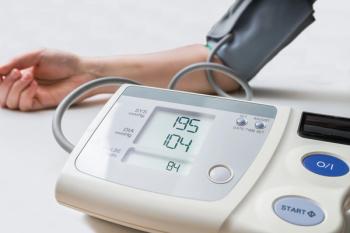
The treatment is indicated for patients aged 6 and older with hypertension, the reduction of stroke in hypertension and left ventricular hypertrophy, and diabetic nephropathy in certain patients with type 2 diabetes.

The new indication would include adults with heart failure with a left ventricular ejection fraction (LVEF) of 40% or higher, such as mildly reduced or preserved LVEF.

This study found no significant difference in the sustained return of spontaneous circulation or survival to hospital discharge based on the timing of the first epinephrine administration in these patients.
Advertisement
Advertisement
Trending on Pharmacy Times
1
TrumpRx Launches, Offering Cash-Paying Patients Discounted Drugs
2
Nipah Outbreak in India Poses Low Global Risk Despite Lack of Approved Treatments
3
Pharmacist Takeover: CAR T Therapy Signals a Shift in ALL Treatment
4
Q&A: Making Plant-Based Eating Practical in Pharmacy-Led Cardiometabolic Care
5