

























Atrial fibrillation was more common in those not treated with radiation (66.5%) or surgery (23.5%) as first-line treatment compared with 52.3% and 10.4%, respectively.
Atrial fibrillation was more common in those not treated with radiation (66.5%) or surgery (23.5%) as first-line treatment compared with 52.3% and 10.4%, respectively.

Sacituzumab govitecan-hziy is indicated for the treatment of adult patients with unresectable locally advanced or metastatic triple-negative breast cancer who have received 2 or more prior systemic therapies, at least 1 of which for metastatic disease.
Study results show no differences in the rate of neuropathic pain, surgical site infection, wound-related complications, or other complications between the 2 groups.

Ten quiz questions to assess your knowledge on common symptoms and treatments for breast cancer.
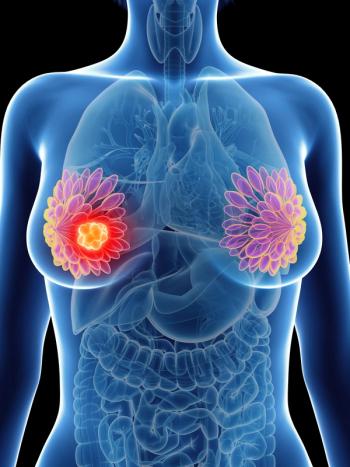
TNBC is the most aggressive and lethal form of the disease.

Study finds that 16.9% of stomach cancers, 11.9% of endometrial cancers, 11.0% of kidney cancers, 9.3% of colon cancers, 8.1% of esophageal cancers, 6.5% of female breast cancers, and 3.9% of urinary bladder cancers were associated with a low level of exercise.
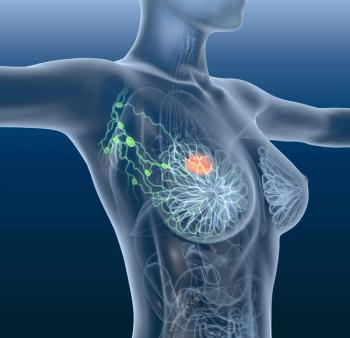
The study was designed to evaluate elacestrant as a monotherapy compared to the standard of care for the treatment of estrogen receptor-positive/human epidermal growth factor receptor 2 advanced or metastatic breast cancer.

Sacituzumab govitecan-hziy (Trodelvy) is indicated for the treatment of patients with triple-negative breast cancer who have received 2 prior therapies at minimum for metastatic disease.
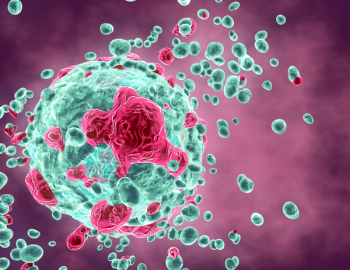
Investigators conclude that minimal residual disease cells, or those that survive the initial treatment, may carry some form of epigenetic and metabolic memory of the tumor.

After skin cancer, breast cancer is the most common cancer diagnosed in women in the United States.

There is a survival advantage for those who were also treated with surgery, according to new study results.

They added that this is one of the first proofs of concept illustrating the power of an AI model for identifying parameters associated with relapse that the human brain could not detect.

Patients receiving sacituzumab govitecan also reported lower symptomatic impact of fatigue, pain, dyspnea, and insomnia.
Allostatic load is caused by a number of different stressors, including social isolation, poverty, and racism, many of which are commonly experienced by individuals belonging to racial and ethnic minorities, according to the investigators.

The designation was based on data from the DESTINY-Breast03 phase 3 trial, and this is now the second BTD for trastuzumab deruxtecan in breast cancer, bringing its total number of BTDs to 4, according to an AstraZeneca press release.

The investigators said these results suggest patients with low sTK1 activity levels have slow-growing disease, which can be initially controlled through single-drug endocrine therapy.
Margetuximab (Margenza) is indicated, in combination with chemotherapy, for the treatment of adult patients with metastatic HER2-positive breast cancer.

Ribociclib is an inhibitor of cyclin-dependent kinase 4 and 6 and causes tumor growth inhibition.

In a phase 3 trial, the medication significantly reduced the risk of disease progression compared with individuals in a placebo group.
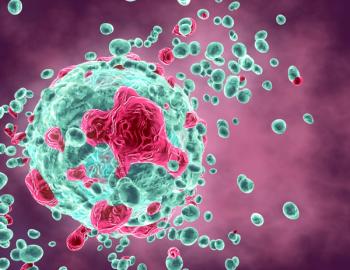
Survey participants saw potential for immunotherapy use in earlier stages of several diseases, including melanoma, lung cancer, and bladder or urothelial cancer.

The results of a 5-year follow-up study comparing trastuzumab (Ontruzant) and reference medicine trastuzumab show comparable cardiac safety profiles and long-term efficacy.

Study suggests potentially expanding the use of immunotherapies in the elderly, a population in whom these therapies may be under-prescribed.
This drug class works by interfering with the ability of cancer cells to repair themselves after experiencing damage to their DNA, but how PARP inhibitors selectively kill cancer cells was previously unknown.
Atezolizumab was granted accelerated approval for the mTNBC indication in March 2019, making it the first immunotherapy agent to be approved in this setting.

This research lays the foundation for future clinical trials aimed at investigating whether moderate to vigorous exercise can minimize “chemo brain,” which is a decline in cognitive function many patients with breast cancer experience.