


























Indication can play a major role in pharmacists recommending brain health products.
Indication can play a major role in pharmacists recommending brain health products.

Although physical activity and the practice of being present in the moment are associated with many benefits, analysis shows that neither led to measurable improvements in brain health.
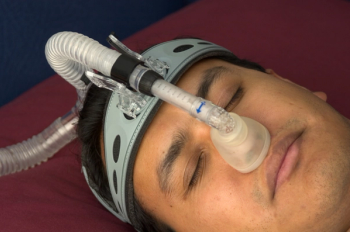
The decision is updated from a 2017 recommendation to screen people for obstructive sleep apnea, which can lead to daytime sleepiness and other adverse outcomes.
White adults in their midlife showed slower brain aging than Black and Latinx individuals, but between mid- and late life, they showed increased signs of aging.

With the advent of disease-modifying therapies, the life span of patients with multiple sclerosis has increased dramatically.

Prior research has associated early adolescent use of hormonal contraceptives with the risk of depression in adulthood.

IPX203 is a novel, oral formulation of carbidopa/levodopa extended-release capsules.

Five hours or less hours of sleep per night at 50 years of age was associated with a 25% higher risk of mortality over 25 years of follow-up.
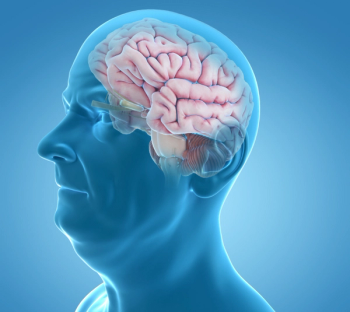
Patients with Alzheimer disease administered gantenerumab did experience slower clinical decline, however, it was not deemed statistically significant.
A new study suggests that 30.5% of US adults lose out on 1 hour or more of sleep due to disturbances.
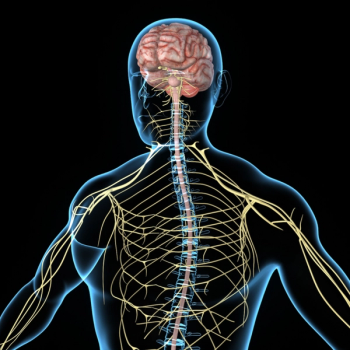
Cerebral adrenoleukodystrophy is a progressive neurodegenerative disease causes irreversible neurologic decline and can result in functional disabilities, such hearing loss and cortical blindness.

Daprodustat is suggested to improve anemia and quality-of-life in patients with chronic kidney disease.

Eisai plans to file for traditional approval in the United States by March 31, 2023.
Ozanimod is an oral, sphinogosine 1-phosphate (S1P) receptor modulator that binds with high affinity to S1P receptors 1 and 5.

Tacrine was originally brought to the market in 1993 as an acetylcholinesterase inhibitor to fight the symptoms of Alzheimer disease.
Deutetrabenazine is the only VMAT2 inhibitor approved by the FDA for the treatment of tardive dyskinesia in adults and for the treatment of chorea associated with Huntington disease.

Although the treatment of motor symptoms is the primary focus of care for Parkinson disease, helping these patients with sleep disorders is vital because of the impact on quality of life.

The new data came from Solriamfetol's Effect on Cognitive Health in Apnea Participants During a Randomized Placebo-controlled (SHARP) study.

New research about the risks of dementia in patients with non-affective psychotic disorders could help shape new life course models for prevention.

New research suggests that psychedelics, and specifically ketamine, can increase neuroplasticity to help a patient with an eating disorder get “unstuck,” and help treat the disorder better than psychotherapy alone.
The history of targeting neuroinflammation is a good example of the challenges to finding a treatment for Alzheimer disease.
In a study of 2262 individuals, investigators also found that cocoa extract had no effect on cognition.

Changing one’s diet could change brain health and study results suggest the Mediterranean diet could positively support cognitive function.

Research suggests cannabis can improve quality of life for patients who suffer from pain and neurological disorders.

Cognitive harm appears reversible, results of analysis by Nemours Children’s Health Jacksonville and Stanford University shows.