

Phase 1 data show oral NSD2 inhibitor KTX-1001 delivers durable disease control in high-risk myeloma, with manageable thrombocytopenia and combo plans.
Phase 1 data show oral NSD2 inhibitor KTX-1001 delivers durable disease control in high-risk myeloma, with manageable thrombocytopenia and combo plans.
KTX-1001, a novel oral inhibitor of NSD2, demonstrates early clinical activity and manageable safety in heavily pretreated multiple myeloma.

The phase 3 trial demonstrated significant improvements in overall and progression-free survival, reinforcing the combination as a standard-of-care option across MMR subgroups.

Gene therapy offers transformative potential in treating diseases like sickle cell and leukemia, highlighting pharmacists' crucial roles.

Gene therapy revolutionizes treatment in oncology, highlighting pharmacists' vital roles in patient care and long-term monitoring.

A real-world study at MSK reveals promising efficacy and safety of second-generation BTK inhibitors in mantle cell lymphoma treatment, influencing future guidelines.
Alice Wang, PharmD, BCOP, discusses the rapid infusion of isatuximab for multiple myeloma, highlighting its benefits, safety, and improved patient convenience in treatment.

Pharmacists lead the charge in integrating pharmacogenetics into patient care, overcoming education barriers and enhancing treatment outcomes through expert guidance.
Adam Kahleifeh, PharmD, BCOP, discusses the impact of IDH mutations in low-grade gliomas.
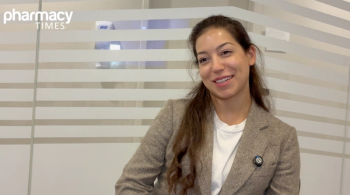
Mary Nauffal, PharmD, MS, BCOP, discusses innovative use of isatuximab for red cell aplasia post stem cell transplant, highlighting its potential in clinical trials.

Pharmacists learn to recognize and combat burnout through self-awareness, open dialogue, and supportive workplace strategies for lasting well-being.

Pharmacists navigate the evolving hematology-oncology landscape, utilizing genetic insights and innovative therapies to enhance patient care.
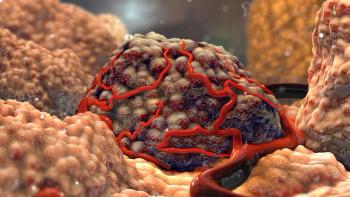
Pharmacists navigate rapid oncology drug therapy changes, enhancing patient care through education, biomarker insights, and tailored counseling strategies.
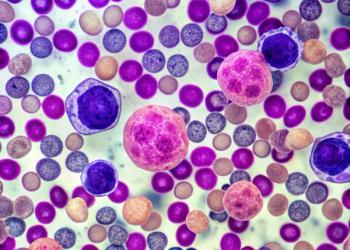
Saad Usmani, MD, MBA, FACP, FASCO, explores treatment duration, patient characteristics, and toxicity profiles in transplant-ineligible patients with newly diagnosed multiple myeloma.

Saad Usmani, MD, MBA, FACP, FASCO, discusses the subgroup analysis of transplant-ineligible patients with newly diagnosed multiple myeloma from the CEPHEUS trial.
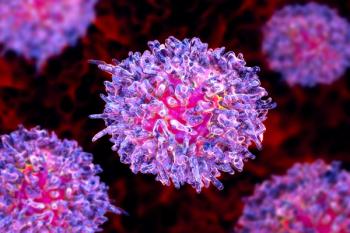
BRAF V600E inhibitors show improved outcomes in relapsed/refractory hairy cell leukemia.

Axatilimab is a colony-stimulating factor-1 receptor–blocking monoclonal antibody indicated after 2 lines of systemic therapy.

Treatment selection includes patient factors, cost, adverse effects, and drug interactions.
Andrew Lin, PharmD, BCOP, discusses his pharmacist-led study examining the association between early tacrolimus levels and outcomes post-allogeneic hematopoietic cell transplantation.

Naga Vara Kishore Pillarsetty, PhD, discusses advancements in radiopharmaceuticals for cancer therapy, noting common supply chain challenges, radiation safety measures, and patient misconceptions with the use of these drugs.
Alison Moskowitz, MD, discusses the clinical considerations, dosing strategies, and the critical role of pharmacists in managing toxicities and tailoring treatment plans for dual-targeted therapy with ruxolitinib and duvelisib.

Komal Jhaveri MD, FACP, shares that the combination of imlunestrant plus abemaciclib further improved progression-free survival compared to imlunestrant alone.

Treatment often involves a combination of preventive measures, topical therapies, and systemic treatments.
The drug's safety profile included significant rates of nausea, vomiting, and hematologic toxicities like neutropenia and thrombocytopenia. Although promising, brigimadlin requires careful management of adverse effects, including antiemetic and hematologic support.

Current guidelines recommend a backbone of SLGT2 therapy in patients with HFpEF who have no contraindications.

Currently, standard first-line chemotherapy with or without immunotherapy for patients with non-small-cell lung cancer (NSCLC) with HER2 mutations has limited efficacy.
The CEPHEUS trial also highlights the importance of minimal residual disease (MRD) as a study end point.
IMROZ study data show Isa-VRd may be a new standard of care.