

|Videos|June 15, 2016
Considerations When Choosing an Antimalarial
Advertisement
Episodes in this series















Jeff Goad, PharmD, MPH, discusses some things pharmacists should consider when choosing an antimalarial.
Advertisement
Related to this article

The PD-1 inhibitor is the first immunotherapy approved for stage II and III MSI-H/dMMR locally advanced rectal cancer and may allow eligible patients to avoid chemotherapy, radiation, and surgery.

The once-nightly drop, previously approved to reverse pupil dilation, met its primary end point in 2 phase 3 trials, with conjunctival hyperemia most common.

Public data may help identify drugs associated with shortages, but hospital inventory and purchasing data could make early-warning tools more useful.

Danielle Roman, PharmD, BCOP, FHOPA, explains how ASCO’s updated breast cancer surveillance guideline links follow-up intensity to recurrence risk and creates opportunities for pharmacist involvement.

Pharmacy students can create greater career optionality by viewing the PharmD as a professional platform rather than a predetermined job title.

FDA-approved capivasertib triplet improves rPFS in PTEN-deficient mCSPC; learn dosing, key drug interactions, and managing diarrhea, hyperglycemia, and rash.
Isatuximab on-body injector enables quick, hyaluronidase-free subcutaneous dosing, reducing reactions and easing multiple myeloma clinic workflows.
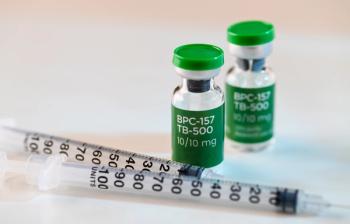
A summer PCAC vote pushes 6 peptide families toward the 503A bulks list—but the FDA's decision is still pending.
Advertisement
Advertisement
Trending on Pharmacy Times
1
Peptide Compounding Is Evolving: What Pharmacists Need to Know Now
2
Finerenone in Heart Failure: Evidence and Practice a Year Later
3
Pelacarsen, Ziltivekimab Miss CV End Points: What to Know
4
Finerenone Expands MRA Options as Pharmacists Address Underrecognized HFpEF
5