

Incremental, plant-based dietary changes can improve glycemic control, weight, and lipid outcomes while complementing cardiometabolic pharmacotherapy in routine pharmacy practice.
Incremental, plant-based dietary changes can improve glycemic control, weight, and lipid outcomes while complementing cardiometabolic pharmacotherapy in routine pharmacy practice.


Embedded pharmacy experts in neurology strengthen multiple sclerosis care through education, therapy selection, lab monitoring, and collaborative practice agreements that close gaps.

The platform offers uninsured patients discounted drug prices, though it is important to note that the platform does not sell drugs, and only a small number are currently available.

The scientific statement underscores obesity as a complex, socially driven condition and positions pharmacists as key partners in reducing stigma, improving access to care, and supporting equitable weight management.
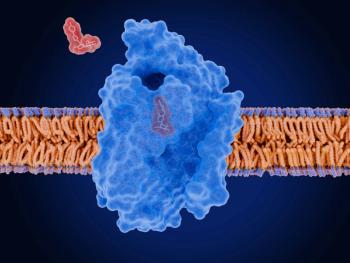
Sodium-glucose co-transporter-2 (SGLT2) inhibitors in patients with type 2 diabetes (T2D) was found to reduce the risk of chronic kidney disease (CKD) and key associated factors, like eGFR and albuminuria.

Explore how pharmacists can support pancreatic cancer patients on atebimetinib as Immuneering leaders and oncologists discuss tolerability, education, and survival-focused phase 3 trial goals.

Pharmacists play a vital role in countering GLP-1 misinformation.

Pharmacist-owners occupy a unique position in health care. Unlike shareholder-driven corporate structures, pharmacist-led enterprises are uniquely positioned to balance financial health with professional obligation.

Full results detailing the safety and efficacy of enlicitide decanoate, an oral PCSK9 inhibitor, were published in The New England Journal of Medicine.

Increased integration of pharmacists in veterinary practice reduces medication errors and improves safety, adherence, and client education.

In addition to increased prevalence, the age of diagnosis has also decreased.

India has confirmed 2 Nipah infections in West Bengal as surveillance tracks 196 contacts with no spread, with the World Health Organization outlining symptoms, transmission, and response measures.
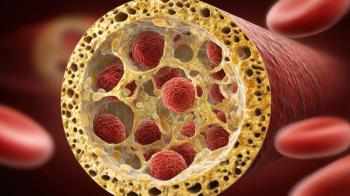
Emerging ultraprecision therapies target CALR mutations in myelofibrosis, promising more effective treatments and improved patient outcomes for pharmacists.

Changes to the federal childhood vaccine schedule have created confusion and variation in practice, placing added responsibility on clinicians and pharmacists to educate patients and ensure evidence-based care.

During American Heart Month, Sarah Nelson, PharmD, highlights how pharmacists can leverage frequent patient interactions, risk assessment tools, and medication optimization strategies to reduce cardiovascular risk.

Legislation targeting the practices of pharmacy benefit managers (PBMs) was passed by Congress and signed by the president, with the goal of greater transparency and increased pharmacy access.

Pharmacists enhance multiple sclerosis care through collaborative practice agreements, improving patient outcomes and bridging gaps in treatment and education.

MFN drug pricing ties Medicare payments to the lowest prices abroad, promising lower costs but sparking legal, access, and innovation concerns.

Study results suggest young participants who survived cancer have difficulty in areas such as memory, attention, and ability to process information compared with those who did not have cancer.
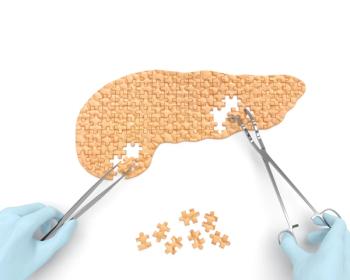
Experts discuss how atebimetinib and adjusted chemotherapy schedules enhance tolerability and treatment duration for pancreatic cancer patients.
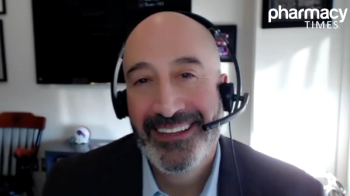
Joseph Saseen, PharmD, explains how persistent cholesterol myths undermine care and why emerging oral proprotein convertase subtilisin/kexin type 9 (PCSK9) inhibitors could expand access to intensive LDL-C lowering.

Phase 1 data show oral NSD2 inhibitor KTX-1001 delivers durable disease control in high-risk myeloma, with manageable thrombocytopenia and combo plans.

Experts discuss the role of pharmacists in CAR T-cell and gene therapy at the 2026 ASTCT Tandem Meeting in Salt Lake City.

As biomedical research output continues to grow, so does the demand for professionals who can accurately interpret data and communicate it responsibly to diverse audiences.

COVID-19 significantly impacts diagnosis rates for depression, asthma, and osteoporosis, revealing health care inequities and the need for improved monitoring.
Craig Beavers is joined by the investigators of the POLY-HF trial to reinforce the critical role of pharmacist counseling and education in treating patients with heart failure.

A pharmacist-physician model significantly reduces wait times for atrial fibrillation care, enhancing patient access and treatment effectiveness in underserved areas.

Replacing animal products—particularly processed meats—with plant-based foods, including some processed options, can lower cardiometabolic risk and offer pharmacists practical counseling opportunities alongside medication therapy.
Pharmacists learn how protective purchasing impacts drug shortages and discover strategies to enhance supply chain visibility and patient access to essential medications.