

Dato-DXd is a promising first-line treatment for metastatic triple-negative breast cancer, enhancing patient outcomes.
Dato-DXd is a promising first-line treatment for metastatic triple-negative breast cancer, enhancing patient outcomes.
The FDA cited human factors unrelated to the drug's efficacy as the reason for rejection.
Zavabresib receives orphan drug designation for myelofibrosis, offering hope for patients unresponsive to current treatments and enhancing therapeutic options.

The FDA prioritizes centanafadine's review for ADHD treatment, offering a novel, once-daily oral option for diverse patient needs.

The FDA approved the first dual-agent eye drops for presbyopia, offering a groundbreaking solution for age-related near vision loss.

FDA approves a new quadruplet therapy for newly diagnosed multiple myeloma, enhancing treatment options for patients ineligible for stem cell transplant.

The FDA expands Cerezyme's approval for treating non-CNS symptoms of type 3 Gaucher disease, marking a significant advancement in patient care.
FDA's draft guidance on MRD and CR as end points accelerates multiple myeloma therapy approvals, enhancing patient access and transforming oncology practices.

FDA grants Priority Review for gedatolisib, a promising treatment for advanced HR+/HER2- breast cancer, showcasing significant efficacy in recent trials.

The glucagon-like peptide-1 (GLP-1) receptor agonist medications evaluated included semaglutide, tirzepatide, and liraglutide.

According to the news release, the manufacturers have 30 days to respond.
The treatment was granted a Prescription Drug User Fee Act target action date of May 10, 2026.

Subcutaneous copper histidinate injections deliver copper in a form that bypasses the genetic defect caused by Menkes disease.

The FDA approves Naox Link, a groundbreaking in-ear EEG device, transforming brain monitoring and enhancing neurologic care for patients and pharmacists.
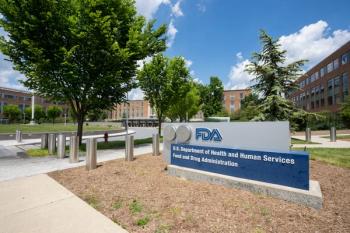
The vouchers are intended to speed up review times for drugs that could fill key unmet needs for Americans.

The complete response letter (CRL) was issued following regulatory updates provided to Sanofi from the FDA.

FDA considers relaxing dietary supplement warning labels, raising concerns about consumer safety and informed decision-making among users.

The FDA approval of Boncresa and Oziltus, new denosumab biosimilars, enhances access to treatments for osteoporosis and cancer-related bone loss.
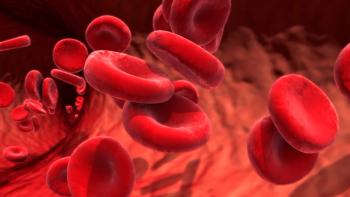
The FDA approved mitapivat, the first oral therapy for thalassemia due to anemia, offering hope for patients with transfusion-dependent and non–transfusion-dependent forms.
FDA approves mosunetuzumab's subcutaneous formulation, enhancing treatment access for relapsed follicular lymphoma.
Narsoplimab gains FDA approval for treating transplant-associated thrombotic microangiopathy, showing promising survival rates in high-risk patients.

FDA approves lumateperone as a new adjunct therapy for major depressive disorder, offering hope for those with persistent symptoms despite treatment.
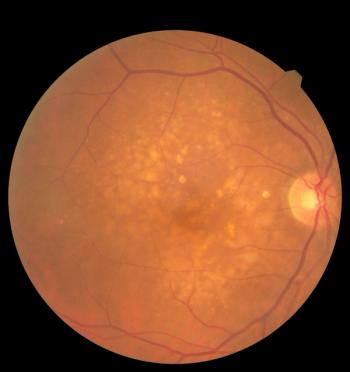
Nufymco, the FDA-approved ranibizumab biosimilar, enhances treatment options for retinal diseases, improving patient access and affordability.

The FDA approved the first oral GLP-1 pill for weight management, offering a convenient alternative for obesity treatment and enhancing patient access.

The FDA approves Accrufer for children 10 and older, offering a well-tolerated solution for iron deficiency, enhancing pediatric health outcomes.

The novel agent has demonstrated efficacy in symptomatic and less severe patients with obstructive hypertrophic cardiomyopathy in thorough phase 3 clinical trials.

Fam-trastuzumab deruxtecan-nxki (T-DXd) promises enhanced outcomes for HER2-positive early breast cancer patients post-neoadjuvant treatment.

The approval offers hope for improved lung function and new treatment options for patients.
The most impactful FDA approvals of 2025 feature groundbreaking treatments for mental health, STIs, diabetes, pain relief, and cardiovascular health.
FDA approves Fesilty, a new fibrinogen concentrate, offering hope for effective treatment of congenital fibrinogen deficiency and acute bleeding episodes.