
New SYNCHRONIZE data signal broad metabolic and hepatic benefits.
New SYNCHRONIZE data signal broad metabolic and hepatic benefits.

Dave Dixon, PharmD, examines why SGLT2 inhibitor and GLP-1 uptake remain low and how pharmacists can bridge the gap between evidence and implementation.
Expert Lance Sloan, MD, MSE, FACE, FASN, FACP, FEAA, FASPC, discusses CATALYST trial data on mifepristone, glucagon-like peptide-1 receptor agonist (GLP-1 RA) resistance, and screening for hypercortisolism in uncontrolled type 2 diabetes (T2D).
John Buse, MD, PhD, breaks down the 2026 American Diabetes Association (ADA) hyperglycemia guidance update, including earlier glucagon-like peptide-1 (GLP-1) receptor agonist and sodium-glucose cotransporter 2 (SGLT-2) inhibitor use and a broader holistic care framework.
Jillian Fetzner, MSN, APRN-CNP, described how integrating pharmacists into a collaborative practice agreement processed 3750 diabetes refill requests without provider involvement.
Dave Dixon, PharmD, breaks down the key cardiovascular and kidney risk management updates in the 2026 ADA Standards of Care and what they mean for pharmacy practice.
Vince Sung, PharmD, MBA, BCOP, BCPS, discusses the clinical implications of the updated prostate cancer guidelines.
Alyson Myers, MD, explains why expanded telehealth access, technology equity, and pharmacist partnerships are essential — not optional.
Discover how community pharmacists can spot menopause beyond hot flashes, avoid HRT mix-up myths, and collaborate on safe, updated treatments.
Learn how menopause VMS stem from the brain, last years, affect heart risk, and when hormone therapy is considered safe.

Real-world adoption of talazoparib plus enzalutamide in metastatic castration-resistant prostate cancer highlights ongoing gaps in homologous recombination (HR) biomarker testing across prostate cancer care.
Christine Barrett, PharmD, BCOP discusses key updates to the Systemic Treatment of Thyroid Cancer: ASCO Guideline.

Pharmacists step into cardiovascular prevention with patient education, statin protocols, and new prescribing training—if clinical work gets paid.
Real-world evidence is helping improve HER2-low metastatic breast cancer care, identify treatment gaps, and better understand patient distress and outcomes.
Findings from the SWOG S2001 trial show that pembrolizumab plus olaparib did not significantly improve progression-free survival compared with olaparib alone as maintenance therapy in patients with metastatic pancreatic cancer harboring germline BRCA1/2 mutations.

Pharmacy Times interviews Allison Burns, PharmD, RPh, the CEO of End Mass Overdose (EMO) Health to discuss how medication stigma and bias can impact patient recovery.

Pharmacy Times interviews Allison Burns, PharmD, RPh, the CEO of End Mass Overdose (EMO) Health to discuss why patients struggle to access mental health and addiction treatment medications.
Elizabeth Budde, MD, discusses the phase 3 data behind the mosunetuzumab plus polatuzumab vedotin combination in the SUNMO trial.
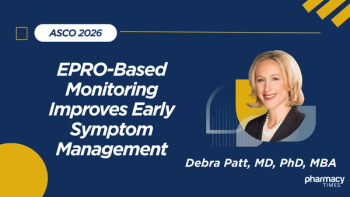
Electronic patient-reported outcome (ePRO) monitoring platforms may improve symptom management, reduce hospitalizations, and help patients remain on cancer therapy longer through earlier intervention and continuous remote support.
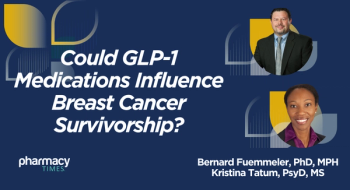
GLP-1 receptor agonists may be associated with improved survival outcomes and lower recurrence rates among women with breast cancer, obesity, and type 2 diabetes.
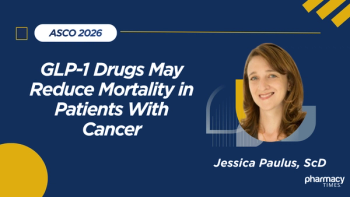
Jessica Paulus, ScD, discusses emerging real-world evidence suggesting GLP-1 receptor agonists may be associated with improved survival outcomes across several cancer types while emphasizing the need for prospective clinical research.

Pharmacy Times interviews Allison Burns, PharmD, RPh, the CEO of End Mass Overdose (EMO) Health to discuss how stigma from health care providers or frontline staff impacts patient willingness to seek or continue treatment.

Pharmacy Times interviews Allison Burns, PharmD, RPh, the CEO of End Mass Overdose (EMO) Health to discuss common myths and misconceptions surrounding antidepressants, antipsychotics, and medications for addiction treatment in congregate care settings.
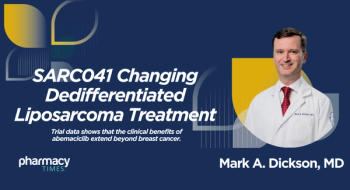
SARC041 data shows the clinical benefits associated with abemaciclib in the treatment of patients with incredibly rare diseases.
Apalutamide plus androgen deprivation therapy significantly increased the curative success of radical prostatectomy in patients with localized prostate cancer.
APP-led benign hematology consult programs helped community oncology practices significantly reduce time to first appointment while strengthening interdisciplinary collaboration with pharmacists and physicians.
This interview discusses emerging immunotherapy trends at the 2026 ASCO Annual Meeting, including cancer vaccines, cell-based therapies, ADCs, and AI-driven immune profiling tools poised to reshape oncology care.
In an interview with Pharmacy Times at the Consortium of Multiple Sclerosis Centers 2026, Jacci Bainbridge, PharmD, FCCP, Professor Vice Chair for Research and Scholarship, Neurology Pharmacy, presenting on current evidence surrounding discontinuation and de-escalation of disease-modifying therapies in multiple sclerosis, discusses rethinking long-term MS therapy, de-escalation, biomarkers and the future of care for MS.
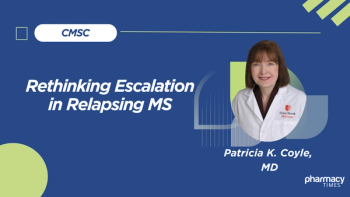
In an interview with Pharmacy Times at the Consortium of Multiple Sclerosis Centers 2026, Patricia K. Coyle, MD, a Director at the MS Center at Stony Brook Medicine, presenting on current evidence surrounding discontinuation and de-escalation of disease-modifying therapies in multiple sclerosis, discusses rethinking escalation strategies in relapsing MS.
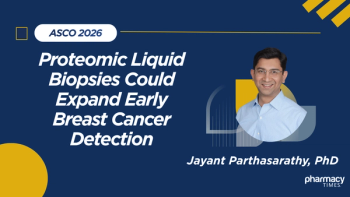
Proteomic liquid biopsy technology may improve early breast cancer detection, guide targeted therapy selection, and support longitudinal treatment monitoring in oncology care.