Researchers found substantial overlap in autonomic symptoms, orthostatic tachycardia, and functional impairment between long COVID and POTS.
Ms. Terrie is a clinical pharmacy writer based in Haymarket, Virginia.
In the United States, annual epidemicsof influenza usually occur duringthe fall or winter months, but thepeak of influenza activity can occur aslate as April or May.1 According to statisticsfrom the Centers for Disease Controland Prevention (CDC), each year in theUnited States an estimated 5% to 20% ofthe population gets influenza and morethan 200,000 people are hospitalizedfrom flu complications.1-3 Furthermore,an estimated 36,000 people die annuallyfrom complications of influenza,and approximately 90% of those deathsaffect individuals 65 years and older.1,3,4
On July 17, 2008, the CDC releasedPrevention and Control of InfluenzaRecommendations from the AdvisoryCommittee on Immunization Practices(ACIP) regarding the use of influenzavaccine and antiviral agents. The 2008recommendations included the 5 followingprincipal updates or changes1:
Certain patient populations, such asthe elderly, pediatric patients, pregnantwomen, and individuals with certainmedical conditions (eg, asthma, diabetes,or cardiovascular disease), are more susceptibleto developing complications.3,5Complications of the flu can includebacterial infections, such as pneumonia,otitis media, sinus infections, anddehydration, and can exacerbate certainmedical conditions (eg, congestive heartfailure, asthma, and diabetes).3,5
The incubation period of the flu canrange from 1 to 4 days. The onset of flusymptoms can be mild or severe. Thetypical influenza symptoms in adultsmay include abrupt onset of chills, headache,high fever, fatigue, dry cough,sore throat, rhinorrhea, and generalizedaches and pains, especially in the backand legs.5-7 Gastrointestinal symptoms,such as nausea, vomiting, and diarrheaalso may occur.5-7
The influenza virus can be transmittedvia airborne transmission of respiratorydroplets, direct contact with aninfected person, or through contact withcontaminated objects.5,6 Many healthyindividuals can transmit the flu to otherindividuals beginning on the first dayprior to the development of symptomsand up to 5 days after becoming sick.5-7
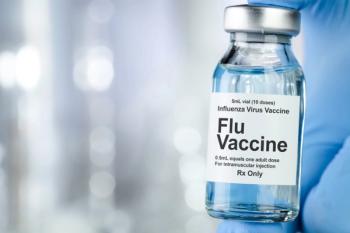
For individuals who wish to decreasetheir risk of getting influenza, the singlebest method for preventing influenzais through yearly vaccination, as is recommendedby the ACIP and the CDC.Moreover, the ACIP recommends thatcertain patient populations receive theflu vaccination each year, including individualsat high risk for developing complications from the flu, like children aged6 months to 18 years; pregnant women;people aged 50 years and older, or thoseof any age with certain chronic medicalconditions; individuals with sickle cellanemia and other hemoglobinopathies;people who have a weakened immunesystem; and people who receive longtermtreatment with steroids for any condition;as well as people who live with orcare for those at high risk for developingcomplications from the flu.1,6,8-11
Certain patient populations should notbe vaccinated until they have consultedwith their primary health care provider,including individuals with severe allergyto chicken eggs; those who have had asevere reaction to an influenza vaccinationin the past; individuals who developedGuillain-Barr? syndrome within 6weeks of getting a previous influenza vaccine;and individuals who have a moderateor severe illness with a fever. In addition,influenza vaccine is not approved foruse in children younger than 6 months ofage.1,6,8,10
According to the CDC, each year theseasonal influenza vaccine contains 3influenza virus strains—one influenza A(H3N2) virus, one influenza A (H1N1)virus, and one influenza B virus. Theviruses used in creating flu vaccine areselected each year based on informationgathered over the previous year aboutthe strains of flu viruses that are infectinghumans and how they are changing.8,9 For the recommended vaccine forthe 2008-2009 flu season, all 3 vaccinevirus strains were changed from the2007-2008 season.11 Both TIV and LAIVprepared for the 2008-2009 flu seasoninclude A/Brisbane/59/2007 (H1N1)-like, A/Brisbane/10/2007 (H3N2)-like,and B/Florida/4/2006-like antigens.1,12Approximately 2 weeks after an individualis vaccinated, antibodies developthat protect against the virus.7,8
As noted previously, 2 types of influenzavaccine are available. The TIV isadministered via intramuscular injectionand is also commonly known as the flushot. The flu shot is approved for use inindividuals older than 6 months, includinghealthy people and those with chronicmedical conditions. Adults and older childrenshould be vaccinated in the deltoidmuscle; whereas infants and young childrenshould be vaccinated in the anterolateralaspect of the thigh.1,13
The second type of vaccine is theLAIV. LAIV is approved for use in healthy,nonpregnant individuals, aged 2 to 49years.12,14,15 The LAIV may be administeredin individuals with minor illness. Ifnasal congestion is present, the deliveryof the vaccine to the nasal liningmay be limited; therefore it is suggestedthat vaccination should be delayed untilnasal congestion is reduced.13,14 Commonadverse effects in children and adolescentsinclude nasal congestion, fever,and headaches. Common adverse effectsin adults include sore throat, fatigue,fever, and chills.12,13,15
Although yearly vaccination with theflu vaccine is the primary strategy forpreventing the influenza virus, antiviralmedications with activity against influenzaviruses can be effective for theprevention and treatment of influenza(Table14-20).
The 2 FDA-approved antiviral influenzamedications available for use in theUnited States for the 2008-2009 seasonare oseltamivir (Tamiflu; Roche) and zanamivir(Relenza; GlaxoSmithKline).18 Theseagents are classified as neuraminidaseinhibitors that have activity against boththe A and B viruses.18
In addition, the CDC recommendsagainst the use of the adamantanes forthe treatment or prevention of influenzain the United States during the 2008-2009influenza season, due to an increase indrug resistance.1 For information on thisissue, please visit the CDC's Web site at
Each year, before flu season begins,pharmacists can assist their patients byreminding them to get their flu vaccinations,especially those patients inhigh-risk groups. Patients also should bereminded about practicing good infectioncontrol procedures, such as routinehand washing. In general, the majority ofindividuals who get the flu will typicallyrecover fully within 1 to 2 weeks withoutcomplications.
In an effort to stress the importanceof getting vaccinated, the CDC hasannounced that December 8-14, 2008, isNational Influenza Vaccination Week. Formore information on the influenza virusand the 2008-2009 influenza season,please visit the CDC Web site at
Brand Name (Manufacturer)
Age indication
Fluzone Inactivated TIV (Sanofi Pasteur Inc)
6 months and older
Fluvirin Inactivated TIV (Novartis Vaccines)
4 years and older
FluMist LAIV (MedImmune Vaccines Inc)
Healthy individuals aged 2-49 years
Afluria Inactivated TIV (CSL Biotherapies)
18 years and older
Fluarix Inactivated TIV (GlaxoSmithKline Vaccines, subsidiary of GlaxoSmithKline PLC)
18 years and older
FluLaval Inactivated TIV (ID Biomedical Corp, subsidiary of GlaxoSmithKline PLC)
18 years and older
TIV = trivalent inactivated influenza vaccine; LAIV = live, attenuated influenza vaccine.
Adapted from references 14-20.