
Conference Coverage
about 13 hours ago
Cancer Incidence Gap Widens in Patients With Type 2 DiabetesLatest News

Oct 14, 2026 | News
FDA Approval Expands Anktiva to BCG-Unresponsive Papillary Bladder Cancer

Supporting Patients Prescribed Opioids in the Era of “Fentanyl Free America”
Oct 14, 2026

Cancer Incidence Gap Widens in Patients With Type 2 Diabetes
Oct 14, 2026

National Pharmacy Technician Day: Celebrating the Backbone of Pharmacy
Oct 14, 2026

Taking Literacy Literally: Comparing Readability of Chemotherapy Education Materials
Oct 14, 2026



Advertisement
Shorts

0:43
Butter, Beef Tallow, or Plant-Based Oil: Which Raises LDL Most?
2 days ago
by
Carol F. Kirkpatrick, PhD, MPH, RDN, FNLA(+1 more)
1:03
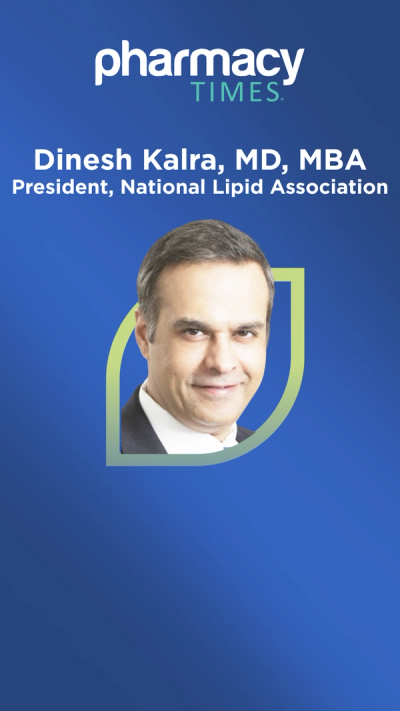
Pharmacists Help Close Gaps in Lipid Care and Lp(a) Testing
2 days ago
by
Dinesh Kalra, MD, MBA, FNLA, FACC, FAHA(+1 more)
0:49
Lp(a) Testing Now Recommended Once for All Adults
6 days ago
by
Dinesh Kalra, MD, MBA, FNLA, FACC, FAHA(+1 more)

0:48
Inside the LIBERTY Study: Testing mRNA Vaccination and Monoclonal Antibodies Side by Side
8 days ago
by
Michael Mina, MD, PhD(+1 more)

0:48
Meeting Patients Where They Are: Pharmacists and HIV Prevention
13 days ago
by
Kevin Astle, PharmD, BCPS, BCACP, AAHIVP, CDCES(+1 more)
0:42
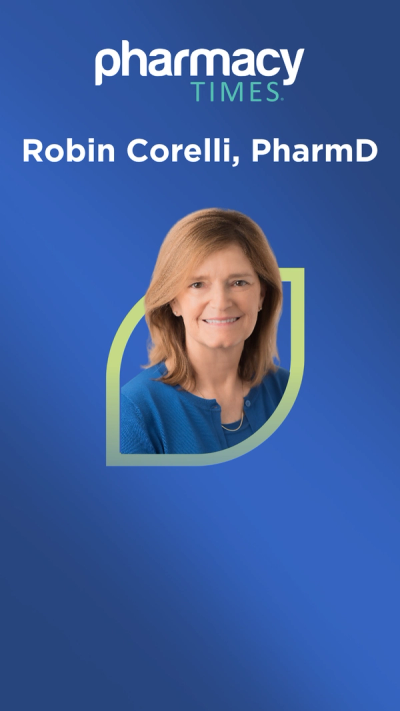
Why Pharmacists Should Pair Pneumococcal Vaccination With Tobacco Screening
14 days ago
by
Robin Corelli, PharmD(+1 more)
1:12
Highlighting the Work of Ambulatory Care Pharmacists
a month ago
by
Kelsey Norman, PharmD, BCCP, BCACP(+2 more)
1:45
New England Ambulatory Care Pharmacists Have a Community With NEIAP
a month ago
by
Katelyn O'Brien, PharmD, BCPS, CDCES, BC-ADM(+3 more)
2:14
The Importance of NEIAP to Ambulatory Pharmacy
a month ago
by
Jennifer Goldman, PharmD, RPh, CDCES, BC-ADM, FCCP(+2 more)

0:32
Komé on the Next Wave of Obesity Therapies
a month ago
by
Anne M. Komé, PharmD, CPP, BCACP, CDCES(+1 more)













Advertisement
All News
Advertisement

In an interview with Pharmacy Times, Victoria P. Werth, MD, professor of dermatology at the University of Pennsylvania and chief of dermatology at the Philadelphia VA Medical Center, discusses why meaningful improvement extends beyond skin clearance and how response timing affects patients with difficult-to-control disease.

Experts on Lp(a) testing, statin myths, cognitive safety, and the 2025-2030 Dietary Guidelines share counseling points from the National Lipid Association's Fall Clinical Lipid Update meeting.

As psychedelic therapies advance through clinical development, pharmacists should prepare for potential roles in their safe, evidence-based integration into patient care.

How oncology pharmacy leaders fight burnout with stay surveys, smarter schedules, and recognition—building resilient teams through loss and turnover.

At-home chemotherapy for HR+ breast cancer works best when pharmacists guide oral regimens, boosting adherence, safety, and affordable access.

Managing medication safety in specialized populations requires a shift from standardized dosing to precise, patient-specific customization.

In an interview with Pharmacy Times, Ali A. Habib, MD, clinical professor of neurology at the University of California, Irvine, discusses what the hospitalization findings mean for patients and why they should be viewed as supportive evidence
Emergency and ICU pharmacists would be most likely to see pneumonic plague. An expert reviews first-line agents, alternatives, and postexposure prophylaxis.

A former residency program director unpacks why this debate keeps resurfacing, and why some reasons people give for skipping residency may not hold up the way they think they do.

The FDA approval of pritelivir offers an oral treatment for refractory HSV lesions in immunocompromised adults, with drug interactions creating an important role for pharmacists.
Advertisement

Weltruza, the first subcutaneous long-acting injectable (LAI) formulation of olanzapine, requires no loading doses, oral supplementation, or postinjection monitoring.

Eric Lawitz, MD, explains how pharmacists can discuss liver risk with patients with obesity and why a FIB-4 score from routine blood work is a good first step.

Sometimes, a breakthrough matters not only because of what it does for patients today, but because of what it makes possible for tomorrow.

Pharmacogenomic-guided prescribing uses genetic data to protect patients from dangerous toxicities and get them the right drug at the right dose from the start.

A float pharmacist reflects on how practicing in different communities revealed that patients often have more in common than they first appear to.
Patients reported that zongertinib resulted in improvements in physical functioning within 1 week of initiating therapy.

As accessible health care providers, pharmacists can raise awareness about the proper use of OTC blood glucose meters and continuous glucose monitoring devices.

The first AHA endocarditis update in 11 years expands outpatient options, with a bigger role for pharmacists.

Growing evidence points to gallstones and cholecystitis as an underrecognized risk of GLP-1 RA therapy—pharmacists are well positioned to catch it early.

Investigational inhaled stem cells for COPD raise questions about lasting clinical benefit and the pharmacy controls needed to deliver a living-cell product through a nebulizer.

A suspected plague death in Russia has renewed attention on the rare infection. Here's how to spot pneumonic plague, and which antibiotics the CDC recommends.
In an interview with Pharmacy Times, Abdulkader Rahmo, PhD, discusses investigational inhaled cell therapy for COPD, the evidence needed to establish lasting clinical benefit, and pharmacists’ potential role in its delivery.

The gap is not a paperwork inconvenience—it is a cash flow problem with clinical consequences.
Advertisement
Advertisement
Trending on Pharmacy Times
1
Preparing Pharmacists for Psychedelic Medicine
2
Pneumonic Plague: What Pharmacists Need to Know About Treatment
3
National Pharmacy Technician Day: Celebrating the Backbone of Pharmacy
4
Supporting Patients Prescribed Opioids in the Era of “Fentanyl Free America”
5