

























Sneha Srivastava, PharmD, BCACP, discusses the new and emerging therapies to treat heart failure.
Sneha Srivastava, PharmD, BCACP, discusses the new and emerging therapies to treat heart failure.
Sneha Srivastava, PharmD, BCACP, describes the role of the pharmacist at the time of discharge for heart failure patients.
the community pharmacist is in a unique position to provide another level of education to heart failure patients.
Left ventricular assist devices have emerged as a lifesaving treatment option for those with advanced heart failure.

One way to help patients with heart failure is identifying signs of decompensation early.

Pharmacists may want to steer their patients toward a resource for their cardiovascular health: the Life’s Simple 7 test from the American Heart Association.

Atrial fibrillation can be a tricky condition because patients may not know that they have it, as they may not exhibit any symptoms.

Pharmacists and other health care providers use the Beers Criteria for Potentially Inappropriate Medication Use in Older Adults as a guideline for prescribing medications for older adults.
Joel Marrs, PharmD, BCPS-AQ Cardiology, FASHP, discusses how the approval of Entresto changed the heart failure care landscape.
Heart failure patients who face few exercise barriers and have high levels of social support spend more time exercising.

Losing weight can help decrease the recurrence of atrial fibrillation in overweight patients.
Patients have an unsatisfactory level of awareness about heart failure and harbor critical misconceptions, new research findings suggest.
Despite the most recent meta-analysis published this week in the British Medical Journal, digoxin use in atrial fibrillation remains limited.

The FDA is alerting health care professionals about serious adverse effects reported with implantable left ventricular assist devices (LVADs).
Within a few years of primary prevention defibrillator placement, one-quarter of heart failure (HF) patients show improvements in heart function above the clinical threshold.

Community pharmacists who expand their roles and make home visits to heart failure patients after hospital discharge can improve outcomes.

The entire July 2015 issue of Heart Failure Clinics is devoted to team-based care.

Warfarin remains a cornerstone anticoagulant for a number of reasons that include its low cost at the pharmacy counter.
The FDA is requiring all non-aspirin nonsteroidal anti-inflammatory drugs (NSAIDs) to include strengthened label warnings describing how the painkillers increase the odds of heart attack or stroke.
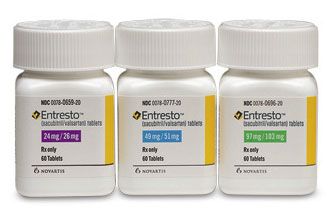
Novartis's new heart failure drug, sacubitril and valsartan (Entresto), was recently approved by the FDA.

Moving away from the pay-per-pill standard, Novartis will attempt a new pricing model based on clinical outcomes for its widely anticipated chronic heart failure (HF) drug.
To win the health care relay race, one clinician needs to pass the baton to the next clinician, who must be ready to receive it.

High hospital readmission rates plague the health care system.
A study evaluating the cardiovascular safety of Merck's type 2 diabetes drug sitagliptin determined the dipeptidyl peptidase-4 inhibitor does not increase the risk for heart failure hospitalization.
Heart failure is a "revolving door" problem for hospitals.