



Chronic Kidney Disease
Latest News
Advertisement
Latest Videos








CME Content

















Advertisement
More News
Pharmacists should consider GLP-1 receptor agonists as second-line agents in older adults with DKD when additional glycemic control is needed.

The researchers speculate that this is because of the antioxidant and anti-inflammatory properties of coffee and tea.
The authors note that the findings can have significant public health implications given the widespread water chlorination and increased chronic kidney disease burden.

The treatment proved efficacy across all 3 key markers of C3 glomerulopathy (C3G) and primary immune complex membranoproliferative glomerulonephritis (IC-MPGN).
A phase 2 trial shows oxylanthanum carbonate (OLC) effectively manages hyperphosphatemia in patients with chronic kidney disease (CKD), offering a promising treatment option.

New research reveals uranium isotopes in urine as potential biomarkers for kidney damage, highlighting risks from contaminated drinking water in the US.

Patients with chronic kidney disease (CKD) were more likely to get vaccinated for influenza and pneumococcal following a health care provider’s recommendation.
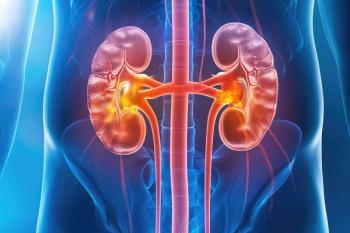
Patients with chronic kidney disease (CKD) receiving efepoetin alfa demonstrated a response rate of about 75.6%.
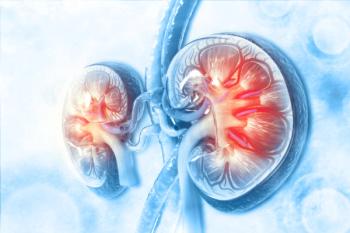
The letter cited deficiencies previously identified at a third-party manufacturing vendor unrelated to oxylanthanum carbonate (OLC).

Compared with prior intravenous formulations, the autoinjector is a more accessible administration method for children and their caregivers.
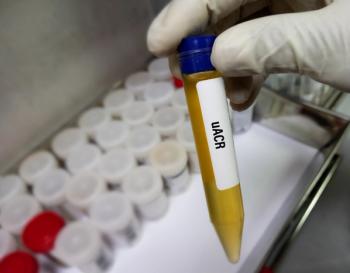
Lorundrostat reduces blood pressure and urine albumin-to-creatinine ratio in patients with chronic kidney disease (CKD) and hypertension.
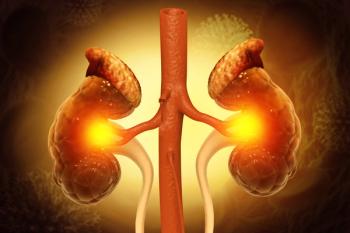
The authors note that the combinatorial principal component analysis (cPCA) may be effective in other complex diseases outside of chronic kidney disease (CKD).

Patients with chronic kidney disease (CKD) and type 2 diabetes receiving both treatments had greater reductions in urinary albumin-to-creatinine ratio.
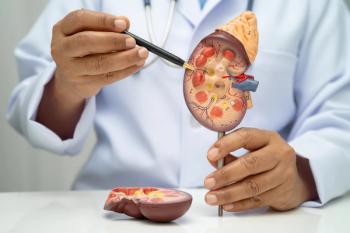
Vadadustat and darbepoetin alfa show similar safety and efficacy in treating CKD-related anemia, with regional differences impacting cardiovascular risks.
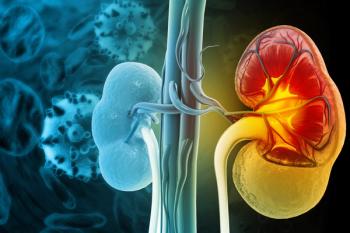
Researchers explore cellular senescence's role in kidney fibrosis, highlighting potential therapies to combat chronic kidney disease progression.

CKD is a complication of diabetes. Emerging treatments aim to optimize management and reduce risks. Pharmacists are key in applying new evidence to clinical practice.
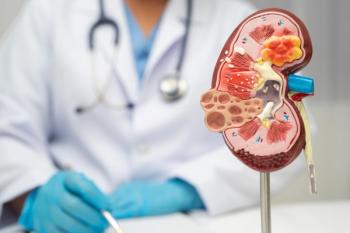
The investigators suggest that early detection and treatment of chronic kidney disease (CKD) in childhood cancer survivors may decrease late complications and mortality.

After 3 predictive mortality tools demonstrate inefficiency within older adults with advanced chronic kidney disease (CKD), the authors call for the development of tools tailored for this population.
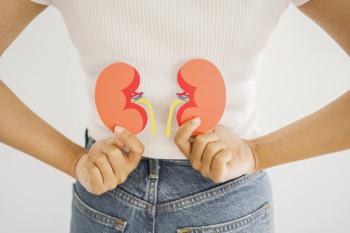
Specialty pharmacists enhance CKD management through personalized care, medication adherence strategies, and collaboration with health care providers.

In approximately 84% of cases, the mask was able to detect if patients had chronic kidney disease (CKD).
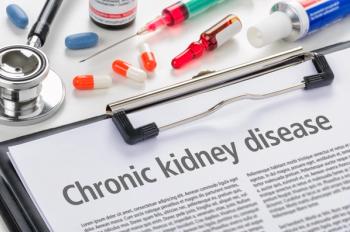
The condition, which is common in patients with chronic kidney disease (CKD), is characterized by skin lesions and currently has no curative treatment.
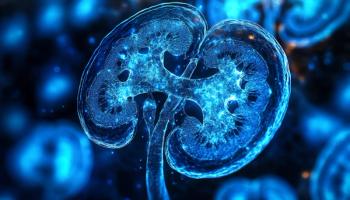
This component of scar tissue may have a role in kidney fibrosis for slowing disease progression and improving outcomes for patients with chronic kidney disease (CKD).
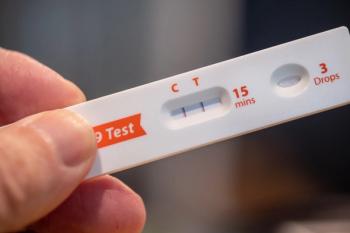
At 28 to 179 days, COVID-19 infection in patients with preexisting chronic kidney disease (CKD) was associated with an increased risk of composite kidney events.

In patients with CKD, there were negative associations between the sodium cotransporter (NCC) and its phosphorylation (pNCC) in urinary extracellular vesicles (uEVs), but further research is needed to confirm these findings in a larger cohort.
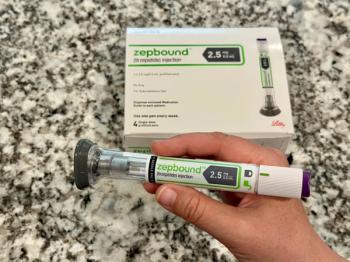
Tirzepatide-treated patients with chronic kidney disease (CKD), obesity, and heart failure with preserved ejection fraction (HFpEF) had improved renal function both by cystatin C and creatinine.
Advertisement
Advertisement
Trending on Pharmacy Times
1
TrumpRx Launches, Offering Cash-Paying Patients Discounted Drugs
2
Enlicitide Meaningfully Lowers LDL-C at 24 Weeks in Patients At Risk for ASCVD Events
3
SGLT2 Inhibitors in T2D Lower 5-Year Risk of CKD and Acute Kidney Injury
4
Pharmacist Takeover: CAR T Therapy Signals a Shift in ALL Treatment
5