





Breast Cancer
Latest News

Advertisement
Latest Videos
CME Content




















Advertisement
More News

Natural compounds like Prunus armeniaca and bee venom enhance breast cancer treatment, boosting efficacy and reducing adverse effects.
BPA exposure accelerates ER+ breast cancer growth, impacting treatment efficacy and altering the pharmacist's role in therapy administration.

Hormonal contraceptives present a nuanced risk-benefit profile, slightly increasing breast and cervical cancer risk while significantly reducing ovarian and endometrial cancer rates.

Research reveals that higher BMI in women with cardiovascular disease significantly increases breast cancer risk, highlighting the need for targeted prevention strategies.
Obesity and high-fat diets enhance the aggressiveness of triple-negative breast cancer through exosome-mediated mechanisms, revealing new therapeutic targets.

Research reveals a link between estrogen plus progestin hormone therapy and increased breast cancer risk in young women, urging personalized treatment approaches.

Ribociclib plus endocrine therapy shows improved survival in HR+, HER2- breast cancer, but its cost-effectiveness raises concerns in the US market.

New research finds that adding carboplatin to paclitaxel and adjuvant chemotherapy shows no significant survival benefits in triple-negative breast cancer (TNBC).

Clairity Breast's FDA-approved AI platform revolutionizes breast cancer risk prediction, enhancing early detection and personalized prevention strategies.
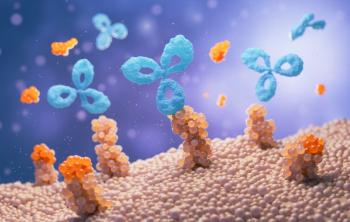
Explore the complexities of managing toxicities in breast cancer treatments, including endocrine therapies, antibody drug conjugates, and immune checkpoint inhibitors.
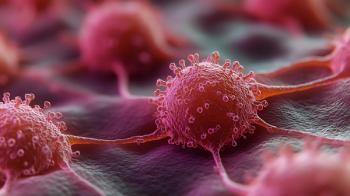
APOBEC3 mutagenesis emerges as a key factor in breast cancer treatment resistance, offering new avenues for targeted therapies and predictive biomarkers.

In premenopausal women, denosumab significantly prevented bone loss and microarchitectural deterioration.

Combining olaparib with neoadjuvant chemotherapy enhances survival rates for early-stage gBRCAm triple-negative breast cancer, offering new hope for patients.

Lacy La Fever, PharmD, MS, discussed outcomes associated with different carboplatin AUC dosing strategies.

Abemaciclib and ribociclib have various risks and benefits in treating early breast cancer, highlighting the importance of patient-provider communication.

Pharmacists can educate patients on nonpharmacologic strategies that help improve survival outcomes.
Updates on April 30, 2025, introduce changes to treatment regimens, sequencing flexibility, febrile neutropenia risk assessments, and drug-specific safety and supportive care guidance.

Hyperglycemia is a common and significant adverse effect of PI3K and AKT inhibitors in hormone receptor-positive (HR+) breast cancer.

Study shows a significant decline in breast cancer mortality across multiple subtypes.

The combination yielded superior progression-free (PFS) survival compared with standard of care.

Breast cancer treatment is highly individualized and based on the stage, hormone receptor status, HER2 expression, and patient-specific factors.

Pharmacists share key insights about the use of ADCs for treatment of breast cancer.

Panelists discuss how there have been many new agents being studied and released at the current time and how the development of these agents is moving at a rapid pace. The adverse effect profiles of newer antibody-drug conjugates create a greater opportunity for pharmacists to be involved in toxicity management.

Fatty acid metabolism plays a critical role in treatment responses.
Advertisement
Advertisement
Trending on Pharmacy Times
1
TrumpRx Launches, Offering Cash-Paying Patients Discounted Drugs
2
Nipah Outbreak in India Poses Low Global Risk Despite Lack of Approved Treatments
3
Q&A: Making Plant-Based Eating Practical in Pharmacy-Led Cardiometabolic Care
4
Pharmacist Takeover: CAR T Therapy Signals a Shift in ALL Treatment
5