



Biosimilars
Latest News
Advertisement
Latest Videos





CME Content















Advertisement
More News

Bevacizumab is a recombinant humanized G1 monoclonal anti-vascular endothelial growth factor antibody that is used in combination with chemotherapy to treat solid tumors.

The company seeks the approval for both the intravenous and subcutaneous administration routes.
Switching from adalimumab originator to SB5 did not cause clinically significant differences in treatment efficacy and safety for patients with noninfectious uveitis.
The IQVIA Global Use of Medicines report for 2024 predicts that loss of brand exclusivity will negatively impact global market growth.

In 2024, there is an urgent need for policies that will accelerate biosimilar use to achieve lower system-wide health care costs.
Despite the insignificant differences in efficacy, biomarkers, therapeutic drug level, and ADAs, patients reported a significant number of nocebo effects.

Biosimilars are proven to be highly similar to the original products with no clinical meaningful differences.
Adalimumab-aqvh (Yusimry; Coherus Biosciences) entered the market in July 2023, following approval by the FDA in December 2021.

There was no statistically significant difference between Lovenox (Sanofi–Aventis Pharmaceuticals, France) and biosimilar enoxaparin in the occurrence of post-operative thrombosis for digestive cancer.

Liraglutide, a glucagon-like peptide 1 receptor agonist, has shown a clinically and significant reduction in glycated hemoglobin for those with type 2 diabetes.

From newsworthy moments to groundbreaking research, these were the most-read biosimilar-related articles on Pharmacy Times in 2023.

The biosimilars landscape is set to witness significant growth, particularly in therapeutic areas like ophthalmology and immunology, with a focus on blockbuster biologics like Humira, Stelara, and Eylea.

Fran Gregory, PharmD, MBA, vice president of emerging therapies at Cardinal Health, discusses the dynamic landscape of the biosimilars market, providing key insights into its current status and future projections.
The aim of developing GP40141 as a biosimilar is to help reduce the cost of the drug and make treatment more affordable for those with idiopathic thrombocytopenic purpura, according to investigators.
Denise Giambalvo, director of Member Engagement & Business Strategy at the Washington Health Alliance and recently led a biosimilars initiative for the coalition, discusses biosimilar influence of pricing for biologic drugs, trends to expect in 2024, and why education on biosimilars are important for patients, pharmacists, prescribers, and more
The legal and common uses of “interchangeability” continue to be conflated.

The sBLA was based on data from a clinical study assessing the pharmacokinetics of switching between adalimumab and adalimumab-bwwd for patients with moderate to severe plaque psoriasis.
On this month's episode, Pharmacy Times covers the Academy of Managed Care Pharmacy Nexus 2023 conference, highlighting the updates on biosimilars.

The biosimilar, now legally available at the pharmacy level, demonstrated similar safety, purity, and potency to the reference product.
Infliximab-dyyb (Zymfentra; Celltrion USA) is a subcutaneous treatment for the maintenance treatment of adults with moderately to severely active ulcerative colitis and Crohn disease.
Kimberly Maxfield, PhD, discussed pharmacist’s role to aid patients when switching to a biosimilar

Biosimilars in the pharmacy benefit are as effective as their reference drug, but it’s important for the pharmacist to clarify this to patients.
The biosimilar landscape is growing, but the FDA should leverage analytical data to efficiently determine the quality of these products and propel them toward approval, according to a session at the Academy of Managed Care Pharmacy’s Nexus 2023 conference.
The FDA is the only authority that can designate a biosimilar as interchangeable with its reference product, which requires that the product has similar clinical results for the same indication.
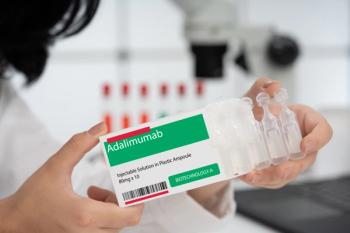
Jensen notes that although she expects there will be a lot of FDA approvals in 2023 and 2024, there likely will not be another biosimilar “boom” until 2025.
Advertisement
Advertisement
Trending on Pharmacy Times
1
TrumpRx Launches, Offering Cash-Paying Patients Discounted Drugs
2
SGLT2 Inhibitors in T2D Lower 5-Year Risk of CKD and Acute Kidney Injury
3
Pharmacist Takeover: CAR T Therapy Signals a Shift in ALL Treatment
4
Balancing Survival and Quality of Life in Pancreatic Cancer: Expert Perspectives From an Immuneering Panel
5